DISCLAIMER: This content reflects a food-first, holistic wellness perspective and is shared for educational purposes only. It is not intended to diagnose, treat, cure, or prevent any disease, nor replace individualized medical advice. Supplements can affect each person differently and may interact with medications or existing health conditions. Please consult a qualified healthcare professional before starting, stopping, or changing any supplement regimen. While supplements may be discussed, they are considered supportive tools, not replacements for whole foods, sleep, stress management, and foundational lifestyle habits. Some posts may include affiliate links to products that align with the principles discussed. If you choose to purchase through those links, LGR Holistic Wellness may earn a small commission at no additional cost to you. Recommendations are shared thoughtfully and are never influenced by compensation.
In conversations about holistic wellness, the phrase “nutrient dense” appears frequently. We are encouraged to eat more nutrient-dense foods, choose nutrient-dense snacks, and prioritize nutrient density over empty calories. But what does that actually mean?
Nutrient density refers to the concentration of beneficial vitamins, minerals, phytonutrients, and other supportive compounds relative to the calorie content of a food. In simple terms, a nutrient-dense food delivers a high level of nourishment without excessive energy intake. These foods support the body’s systems efficiently and consistently.
From a holistic perspective, nutrient density is foundational. When the body receives adequate micronutrients, it is better equipped to maintain energy, support immune balance, regulate inflammation, and repair tissues. When nutrient intake is chronically low, subtle imbalances can develop over time.
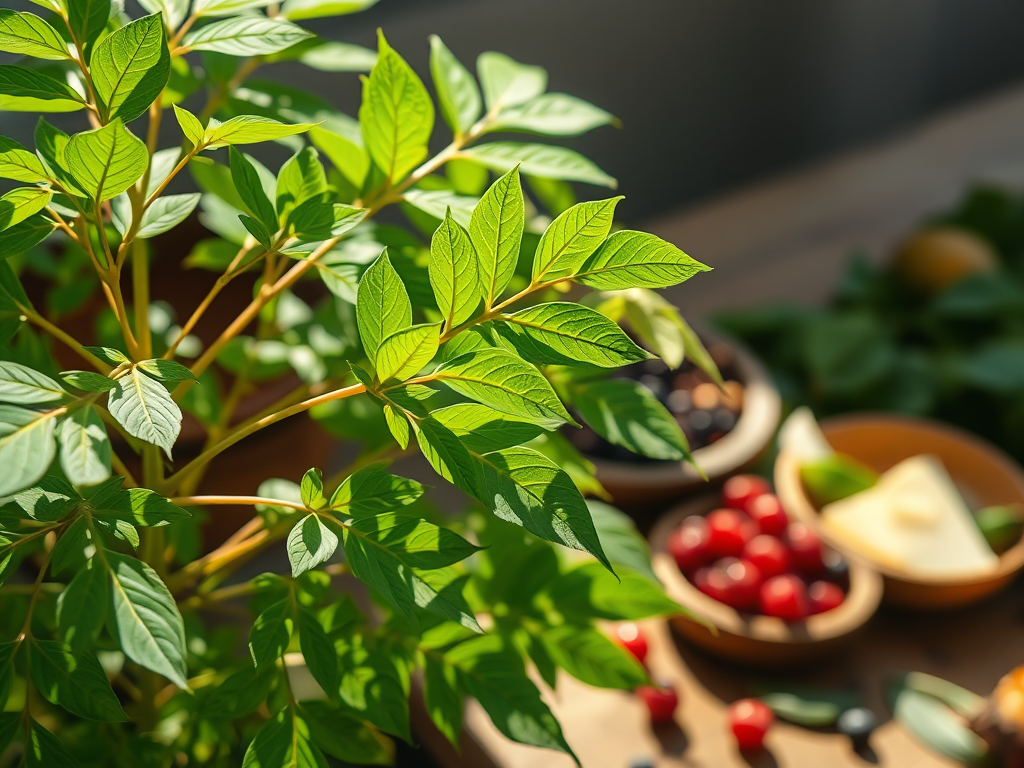
Among the many plants discussed in the wellness space, moringa has gained attention for its naturally concentrated nutritional profile. Understanding what makes moringa unique helps place it within a broader, food-first framework.
What Does “Nutrient Dense” Really Mean?
To understand nutrient density, it helps to distinguish between macronutrients and micronutrients.
Macronutrients, carbohydrates, proteins, and fats, provide energy and structural components. Micronutrients, vitamins, minerals, and phytonutrients, support the body’s biochemical processes. While macronutrients often receive the most attention, micronutrients quietly drive thousands of essential reactions within the body.
A nutrient-dense plant is one that offers:
- A broad spectrum of vitamins and minerals
- Antioxidant plant compounds
- Fiber and supportive phytochemicals
- Minimal processing
- High bioavailability when consumed appropriately
Leafy greens, herbs, berries, and certain traditional plants tend to rank high in nutrient density. These foods supply compounds that contribute to resilience rather than merely satiety.
Introducing Moringa: A Traditionally Valued Plant
Moringa oleifera is a leafy tree native to parts of Africa and Asia, where it has been used for generations as a nourishing food source. The leaves are typically dried and consumed as a powder or encapsulated supplement.
What makes moringa stand out is not a single “miracle” compound but its overall profile. Moringa leaves naturally contain:
- Vitamins such as A, C, and several B vitamins
- Minerals including calcium, potassium, and iron
- Plant antioxidants
- Small amounts of plant-based protein
This combination contributes to its reputation as a supportive, nutrient-dense plant.
Rather than acting as a stimulant or quick fix, moringa functions more like a concentrated leafy green, something that can complement dietary intake when variety or access to fresh produce is limited.
Micronutrients and Daily Vitality
Micronutrient sufficiency influences how we feel on a daily basis. While dramatic deficiencies are less common in developed countries, suboptimal intake can occur quietly over time.
For example:
- Vitamin A supports immune balance and tissue integrity.
- Vitamin C contributes to antioxidant protection and collagen synthesis.
- B vitamins assist in energy metabolism and nervous system function.
- Minerals such as iron and magnesium play roles in oxygen transport and muscle relaxation.
When intake of these nutrients fluctuates, the body may compensate temporarily. Over the long term, however, consistent nourishment supports steadier energy and resilience.
A nutrient-dense plant like moringa can serve as a supportive addition to a balanced diet, particularly during busy seasons when fresh vegetable intake may be inconsistent.
Antioxidants and Inflammatory Balance
Holistic wellness frequently addresses inflammation, not as something to eliminate entirely, but as a process to keep balanced. Inflammation is part of the body’s natural response to stress and injury. Problems arise when it becomes chronic and unregulated.
Plants naturally contain antioxidant compounds that help counter oxidative stress. Moringa’s leaves include polyphenols and other plant-based antioxidants that contribute to its traditional reputation for supporting balance.
It is important to understand that antioxidants do not “cure” inflammation. Instead, they contribute to the body’s broader ability to manage oxidative stress when combined with supportive lifestyle habits such as sleep, movement, hydration, and whole-food nutrition.
Soil, Modern Diets, and Nutrient Gaps
One reason nutrient density has become such a focal point in modern wellness conversations is the recognition that dietary patterns have changed significantly.
Highly processed foods often displace whole plants. Soil quality in some agricultural systems has shifted. Convenience frequently replaces variety. Even individuals who aim to eat well may not consistently achieve the diversity of micronutrients their bodies require.
In this context, adding concentrated plant foods in powdered or encapsulated form can be viewed as a practical strategy. This does not replace fresh vegetables but can complement them.
For individuals who travel frequently, experience reduced appetite during stress, have limited access to diverse produce or seek additional plant variety in their routine may benefit from Moringa as a supportive option.
Integrating Moringa Into a Holistic Lifestyle
Holistic wellness is not about isolating a single “superfood.” It is about integration.
Moringa works best when combined with:
- A balanced diet rich in whole foods
- Adequate protein intake
- Healthy fats for fat-soluble vitamin absorption
- Proper hydration
- Stress management practices
- Consistent sleep patterns
In this framework, moringa becomes one small piece of a larger mosaic. It does not replace vegetables, nor does it override poor dietary habits. Instead, it contributes additional plant compounds and micronutrients that support daily nourishment.
When Supplementation May Make Sense
There are seasons of life when additional nutritional support can feel appropriate. Aging, increased physical demand, stress, and dietary transitions may all influence nutrient needs.
In these moments, a simple, single-ingredient supplement can feel more aligned with a holistic philosophy than complex, heavily marketed formulas.
Pure Moringa is a straightforward moringa supplement designed to provide the plant in a concentrated form. For those exploring ways to enhance dietary nutrient density without adding synthetic blends or multiple additives, a product like this may complement a food-first lifestyle. As always, supplementation is best viewed as optional support rather than a substitute for balanced meals and professional guidance.
You can find more information about this and other supportive wellness tools on my holistic wellness resources page.
The Bigger Picture: Nourishment Over Hype
In a wellness culture often driven by extremes, returning to the concept of nutrient density offers clarity. The body thrives on steady nourishment; small, consistent inputs of vitamins, minerals, and plant compounds that support its natural processes.
Moringa’s value lies not in dramatic claims but in its simplicity. As a leafy plant traditionally used for nourishment, it reflects the holistic principle that health is built gradually, through daily habits and thoughtful choices.
When we prioritize nutrient density, we shift the conversation away from quick fixes and toward foundational resilience. Supporting the body with whole plants, whether through fresh foods or carefully selected supplements, reinforces the idea that wellness is cumulative.
True vitality does not come from chasing trends. It grows from consistent nourishment, balanced living, and respect for the body’s innate capacity to maintain equilibrium over time.




 LGR Holistic Wellness
Leave a comment