
Affiliate Disclosure: This post may contain affiliate links, which means I may earn a small commission if you make a purchase through them, at no extra cost to you. I only recommend brands I genuinely believe in and products I personally use or trust in my own holistic wellness journey.
When people think about aging well, they often focus on energy levels, cognitive clarity, or maintaining a healthy weight. Far less attention is given to something equally essential: structural integrity. Our ability to move comfortably, maintain posture, protect joints, and preserve skin elasticity all depend on the health of our connective tissues.
Connective tissue is the body’s framework. It holds everything in place, links muscles to bones, cushions joints, and supports organs. At the heart of this system is a protein called collagen.
From a holistic perspective, collagen is not about vanity or surface-level appearance. It is about resilience, the ability of the body to remain strong, flexible, and supported as the years pass. Structural health influences mobility, circulation, digestion, skin integrity, and even recovery after physical stress.
Understanding collagen within this broader context helps us see why it deserves a place in conversations about long-term wellness.
What Is Collagen and Why Does It Matter?
Collagen is the most abundant protein in the human body. It is a primary building block of connective tissue, found in skin, tendons, ligaments, cartilage, bones, and blood vessels.
Its structure is unique. Collagen is composed primarily of specific amino acids, particularly glycine, proline, and hydroxyproline, arranged in a triple-helix formation that provides both strength and flexibility. This structure allows tissues to withstand tension while remaining pliable.
When collagen production is strong, tissues tend to be firm, resilient, and capable of repairing after stress. When collagen declines, structural tissues may lose elasticity and strength.
Beginning in our mid-20s, natural collagen production gradually decreases. By the time we reach our 40s and 50s, this reduction becomes more noticeable. Skin may appear thinner, joints may feel less cushioned, and recovery from physical strain may take longer.
This decline is not a flaw in the body; it is a natural part of aging. However, modern lifestyle factors can accelerate the process.
Factors That Influence Collagen Health
Several variables affect collagen integrity:
Nutrient status: Collagen synthesis depends on adequate intake of vitamin C, zinc, copper, and specific amino acids. Without these nutrients, the body cannot efficiently build or repair connective tissue.
Protein intake: Many adults do not consume sufficient high-quality protein, which limits availability of the building blocks needed for structural repair.
Inflammation: Chronic inflammation can degrade collagen and impair tissue recovery.
Blood sugar balance: Elevated glucose levels may contribute to glycation, a process that stiffens collagen fibers and reduces flexibility.
Sun exposure and environmental stress: UV radiation and oxidative stress can weaken collagen over time.
From a holistic perspective, protecting collagen means addressing these factors through nutrition, stress management, hydration, and mindful lifestyle choices.
Collagen Beyond Skin: A Whole-Body Perspective
While collagen is often associated with skin health, its role extends far beyond appearance.
Joint Comfort and Mobility: Cartilage relies on collagen for cushioning and flexibility. When collagen support declines, joints may feel less stable or less fluid in movement. Supporting structural proteins contributes to maintaining mobility over time.
Bone Health: Bones contain a collagen matrix that provides flexibility and shock absorption. Minerals like calcium are deposited into this matrix. Without strong collagen scaffolding, bone resilience can be compromised.
Gut Integrity: The digestive tract contains connective tissue structures that rely on collagen. Adequate amino acid availability supports tissue maintenance along the gut lining.
Vascular Support: Blood vessels depend on connective tissue strength to maintain elasticity and proper circulation.
Seen through this lens, collagen becomes less about aesthetics and more about foundational architecture.
Food-First Approaches to Supporting Collagen
A holistic lifestyle prioritizes nourishment before supplementation.
Ways to support natural collagen production include:
- Consuming adequate protein from diverse sources
- Including vitamin C–rich foods such as citrus, berries, and leafy greens
- Incorporating mineral-rich foods
- Staying hydrated
- Managing blood sugar through balanced meals
- Prioritizing restorative sleep
Traditional diets often included collagen-rich foods such as bone broth and slow-cooked meats that provided gelatin and connective tissue proteins. Modern eating patterns frequently omit these foods.
This shift can reduce dietary intake of collagen-specific amino acids.
When Supplementation May Be Helpful
In certain situations, adding collagen peptides may serve as a convenient complement to a balanced diet. Individuals who avoid connective tissue–rich foods, have increased physical demands, are navigating age-related structural changes or seek additional support for joint or skin resilience may choose to explore collagen supplementation as part of a broader wellness strategy.
Collagen peptides are hydrolyzed forms of collagen that are easier to mix into beverages and digest. They provide concentrated amounts of glycine and proline, amino acids essential to connective tissue support.
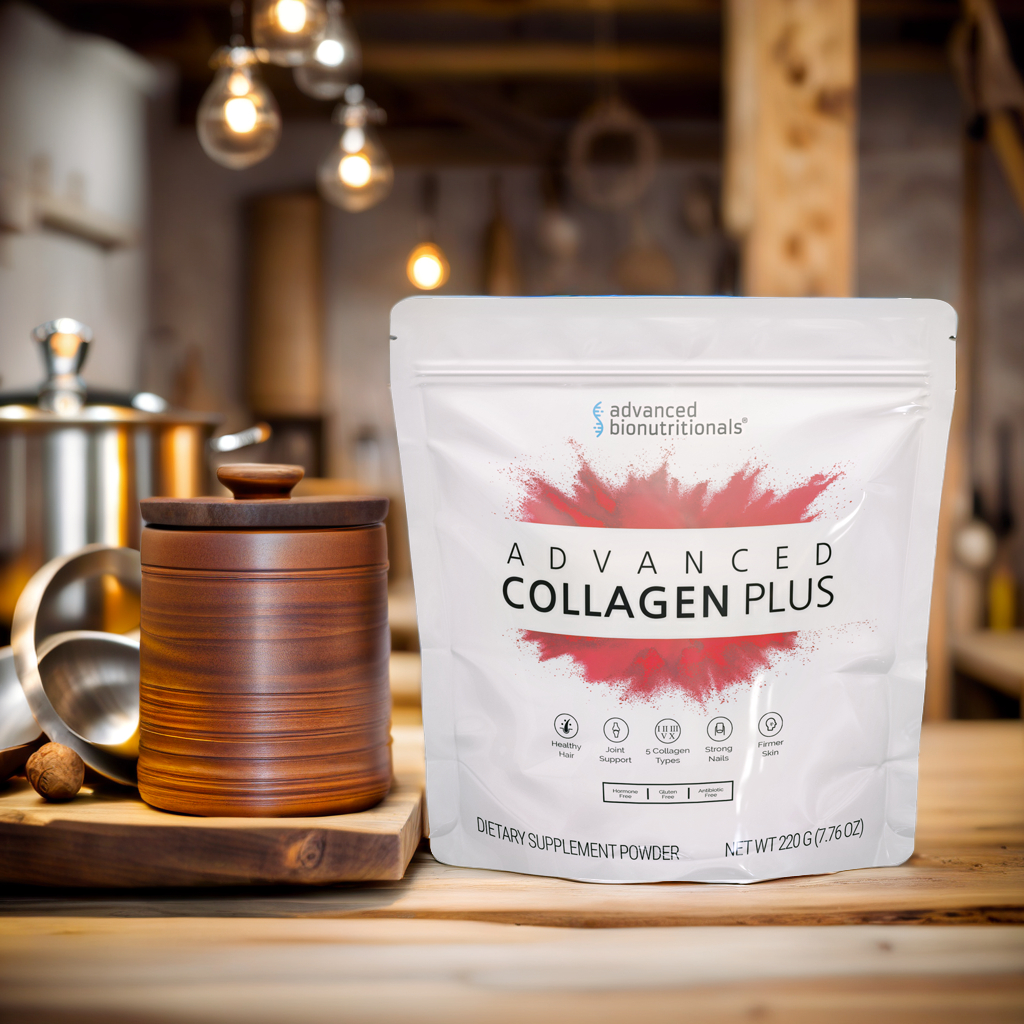
As with any supplement, collagen works best when integrated into a holistic lifestyle rather than relied upon in isolation. For readers who are exploring collagen supplementation, Advanced Collagen Plus is one option designed to provide hydrolyzed collagen peptides alongside supportive nutrients.
It is intended to complement a food-first approach by supplying key amino acids that contribute to connective tissue maintenance. You can find more information about this and other supportive wellness products on my holistic wellness resources page.
Final Thoughts
Holistic wellness is not built on trends. It is built on foundations. Structural integrity is one of those foundations. When connective tissues are supported, movement feels more fluid, recovery becomes steadier, and daily life can be navigated with greater comfort.
Collagen reminds us that aging is not something to fight aggressively but something to support intelligently. By nourishing the body’s architecture through balanced nutrition, mindful lifestyle habits, and, when appropriate, thoughtful supplementation, we strengthen our ability to move through life with resilience.
Longevity is not merely about adding years. It is about preserving strength, flexibility, and vitality within those years. Supporting collagen is one small but meaningful part of that larger picture.




 LGR Holistic Wellness
Leave a comment