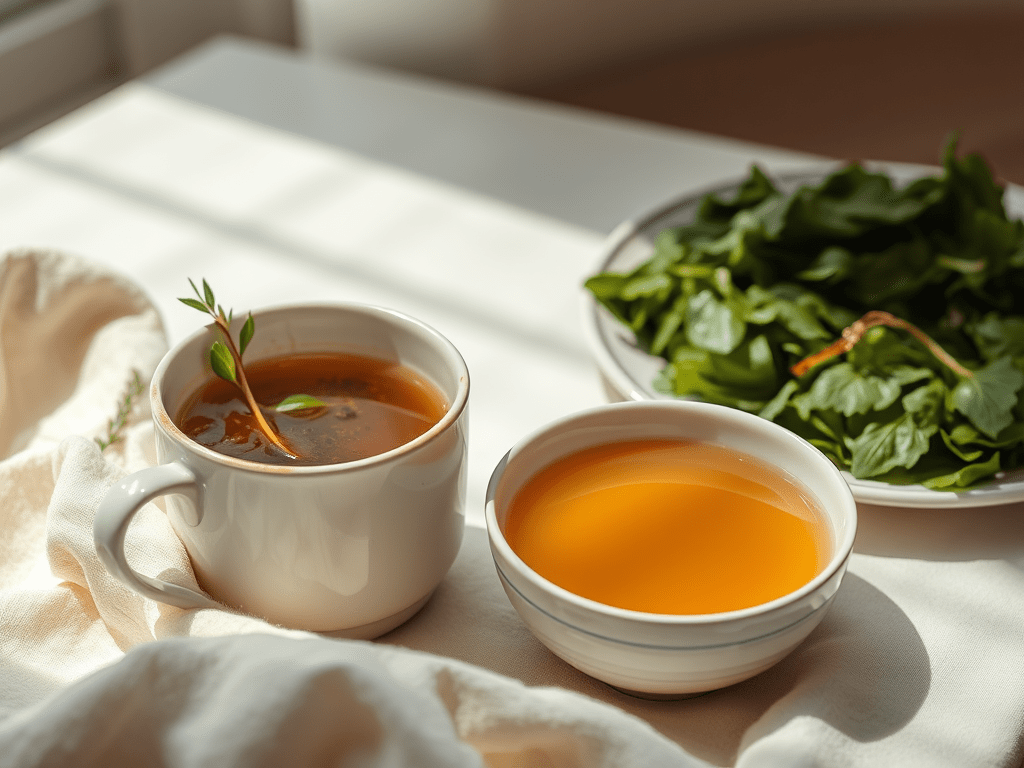
The day after Thanksgiving often brings a mix of emotions—and sensations. Gratitude, warmth, family connection…and perhaps a little heaviness. It’s a perfectly normal response to a rich, celebratory meal. After all, your digestive system has just worked hard processing that feast of proteins, fats, and complex carbohydrates.
Instead of “detoxing” or restricting yourself, the most supportive thing you can do is to reset gently. A post-feast reset isn’t about erasing indulgence—it’s about helping your body find balance again through hydration, movement, and nourishing foods that encourage natural digestion and restoration.
This guide will walk you through how to care for your body the day (or days) after a big meal, with recipes, foods, and supplements that ease bloating, restore energy, and help your system do what it’s designed to do—recover gracefully.
Let Go of the “Detox” Mentality
Before diving into what to eat or drink, it’s important to shift your mindset. You don’t need to “make up for” anything. Your body is incredibly resilient and equipped with its own detoxification systems—your liver, kidneys, skin, and lymphatic system are already working around the clock to filter and eliminate waste.
The goal isn’t punishment or restriction; it’s restoration. Think of this as pressing the reset button on your habits and giving your body the space and tools it needs to rebalance.
Instead of cutting out foods or skipping meals, focus on adding what your body needs most right now: hydration, fiber, minerals, and rest.
Step One: Hydrate and Rebalance Fluids
One of the simplest yet most effective ways to support digestion after a big meal is to hydrate intentionally. Heavy foods, salt, and alcohol can all lead to dehydration, leaving you feeling puffy, tired, and foggy.
Start with Lemon Water
Squeeze half a fresh lemon into warm water and sip slowly upon waking. The gentle acidity of lemon stimulates bile flow, which aids fat digestion, while hydration supports detox pathways and bowel regularity.
Optional Add-Ins:
- A pinch of sea salt for electrolytes
- A few slices of cucumber or ginger for anti-inflammatory benefits
- A splash of apple cider vinegar for added digestive support
Drink this first thing in the morning before coffee to jumpstart digestion and rehydrate your cells.
Step Two: Choose Foods That Heal, Not Deprive
Rather than reaching for leftovers heavy with cream or sugar, fill your day with light, whole, anti-inflammatory foods that restore nutrient balance. Think of this as nourishing your digestion, not “undoing” indulgence.
1. Broth-Based Soups
Soups are warm, soothing, and easy on the digestive system. They reintroduce hydration and minerals while allowing your digestive organs to rest.
Recipe: Simple Ginger-Turmeric Broth Soup
Ingredients:
- 4 cups low-sodium vegetable or bone broth
- 1-inch piece fresh ginger, sliced
- ½ tsp ground turmeric
- 1 clove garlic, minced
- 1 cup chopped spinach or kale
- Juice of ½ lemon
- Sea salt to taste
Instructions:
- In a pot, bring broth, ginger, turmeric, and garlic to a simmer.
- Let cook for 10 minutes, then add greens and cook for 2 more minutes.
- Finish with lemon juice and a pinch of salt.
Why It Helps:
Turmeric and ginger calm inflammation, while lemon and greens help stimulate digestion. This broth is hydrating, mineral-rich, and gentle.
2. Leafy Greens
After a rich meal, your body craves the cleansing, alkaline qualities of greens. They supply fiber, magnesium, and chlorophyll—all essential for supporting digestion and liver function.
Try:
- Lightly sautéed kale or Swiss chard with olive oil and garlic
- Spinach tossed into scrambled eggs or soups
- A simple mixed-green salad with olive oil, lemon, and a sprinkle of sea salt
Recipe: Warm Sautéed Greens with Garlic and Lemon
Ingredients:
- 2 cups chopped kale, collards, or Swiss chard
- 1 tbsp olive oil
- 1 garlic clove, minced
- Juice of ½ lemon
- Pinch of salt
Instructions:
- Heat olive oil in a skillet and sauté garlic until fragrant.
- Add greens, stirring until just wilted.
- Finish with lemon juice and salt.
Why It Helps:
This simple dish encourages bile flow and digestive enzyme activity while providing fiber and antioxidants.
3. Fermented Foods
Fermented foods like sauerkraut, kimchi, yogurt, or kefir reintroduce beneficial bacteria that support the gut microbiome. These bacteria help break down food, produce short-chain fatty acids, and keep your digestive system running smoothly.
If you feel bloated after a large meal, adding a small serving (1–2 tablespoons) of fermented vegetables or a few ounces of kefir can make a big difference.
Recipe: Quick Cucumber and Carrot Pickles
Ingredients:
- 1 small cucumber, sliced thin
- 1 carrot, sliced into matchsticks
- ½ cup apple cider vinegar
- ½ cup water
- ½ tsp sea salt
- ½ tsp honey or maple syrup (optional)
Instructions:
- Combine vinegar, water, salt, and honey in a jar. Stir until dissolved.
- Add cucumber and carrot slices.
- Cover and refrigerate at least 1 hour before serving.
Why It Helps:
These quick pickles add gut-friendly probiotics and digestive acids while bringing fresh flavor to your reset meals.
4. Simple, Whole-Food Meals
After a feast, simplicity is key. Focus on foods that digest easily and leave you feeling nourished but light:
- Cooked vegetables (broccoli, zucchini, carrots, sweet potato)
- Whole grains (quinoa, brown rice, or oats)
- Lean proteins (fish, lentils, eggs)
- Healthy fats (avocado, olive oil, nuts)
A sample day might include:
- Breakfast: Warm lemon water, then oatmeal topped with chia seeds and blueberries
- Lunch: Quinoa and roasted veggie bowl with olive oil drizzle
- Dinner: Ginger-turmeric soup and side salad with fermented veggies
Step Three: Support Digestion with Natural Allies
Sometimes, a little extra help can go a long way. Here’s how natural digestive supports—both foods and supplements—can help your system reset after a rich meal.
1. Digestive Enzymes
Digestive enzymes help your body break down fats, carbohydrates, and proteins more efficiently. If you experience bloating or sluggish digestion after big meals, a high-quality enzyme supplement may help for a short period.
When to Use:
- Take just before or with a meal that includes heavier foods.
- Choose a full-spectrum enzyme that includes lipase (for fats), amylase (for carbs), and protease (for proteins).
When Not to Use:
- If your digestion feels normal or you’re eating light, enzyme supplements aren’t necessary daily. Use them only as needed.
2. Digestive Bitters
Bitters are herbal extracts that stimulate the digestive system naturally. They increase bile and stomach acid production, preparing your body to handle fats and proteins more effectively.
How to Use:
- Take 10–20 drops of bitters in water 10–15 minutes before meals.
- Common bitters include dandelion, gentian, artichoke leaf, and orange peel.
When They Help:
If you feel fullness, belching, or sluggish digestion, bitters can gently encourage your digestive system to function smoothly again.
When to Avoid:
Skip bitters if you have ulcers, gastritis, or severe reflux, as they can increase stomach acid.
3. Magnesium
Magnesium helps relax muscles—including those of your digestive tract—and supports healthy elimination. It also calms the nervous system, making it an excellent evening support.
How to Use:
- Magnesium citrate: supports bowel regularity
- Magnesium glycinate: promotes relaxation and sleep
- Dosage: 200–400 mg in the evening (always check with your healthcare provider first)
When It Helps:
After a heavy meal, magnesium can reduce tension and aid the body in resetting stress and digestion simultaneously.
Step Four: Move Gently, Rest Deeply
One of the biggest mistakes people make after a heavy meal is trying to “burn it off.” Strenuous exercise when your body is digesting can actually make you feel worse. Instead, opt for low-intensity, restorative movement that aids digestion and circulation.
Post-Meal Walks
A 10–20 minute walk after meals helps regulate blood sugar, support lymphatic flow, and stimulate peristalsis—the gentle muscle contractions that move food through your digestive system.
Gentle Stretching
Simple yoga poses like seated twists, child’s pose, or legs up the wall can ease bloating and calm the nervous system.
Deep Rest and Sleep
Digestion thrives when the parasympathetic (“rest and digest”) nervous system is active. Prioritize 7–8 hours of sleep and moments of stillness throughout the day to let your system fully recover.
Step Five: Stay Hydrated—But Smartly
Hydration is the foundation of detoxification and digestion. Fluids help flush out sodium, regulate temperature, and transport nutrients.
Hydration Tips:
- Start your morning with lemon water, then sip water consistently throughout the day.
- Add a pinch of sea salt or a squeeze of citrus to replenish electrolytes.
- Herbal teas—like peppermint, ginger, chamomile, or fennel—can ease bloating and calm digestion.
- Avoid excessive caffeine or alcohol for a few days post-feast to give your liver a rest.
Recipe: Soothing Ginger-Peppermint Tea
Ingredients:
- 1-inch slice fresh ginger
- 1 tsp dried peppermint (or 1 peppermint tea bag)
- 2 cups hot water
- ½ tsp honey (optional)
Instructions:
- Combine ginger and peppermint in a mug or teapot.
- Pour hot water and steep 5–7 minutes.
- Strain, add honey if desired, and sip slowly.
Why It Helps:
Ginger supports gastric motility, peppermint relaxes digestive muscles, and warm fluids calm the stomach after rich food.
Step Six: Reconnect with Routine
After holiday indulgence, returning to your usual routine is one of the most healing steps. The goal isn’t perfection—it’s consistency.
1. Eat Regular, Balanced Meals
Skipping meals can lead to blood sugar swings and overeating later. Focus on steady, whole-food meals that include protein, fiber, and healthy fats.
2. Don’t Overcompensate
You don’t need juice cleanses, fasting, or extreme restriction. The body responds better to balance and nourishment than to deprivation.
3. Prioritize Mental Calm
Stress impairs digestion as much as food choices do. Practice deep breathing before meals, eat slowly, and stay present.
4. Reflect on What Felt Good
Take a moment to observe which foods, habits, or amounts left you feeling energized and which left you heavy. Awareness helps you approach future meals with mindfulness, not guilt.
A One-Day Gentle Reset Sample Plan
Morning
- Warm lemon water with a pinch of sea salt
- Light breakfast: oatmeal with chia seeds, cinnamon, and a handful of berries
Midday
- Ginger-turmeric broth soup
- Sautéed greens with olive oil and lemon
- Small serving of fermented veggies on the side
Afternoon
- Herbal tea (peppermint or chamomile)
- Short walk outdoors
Evening
- Baked salmon or lentil bowl with roasted veggies
- Magnesium supplement (as needed)
- Early bedtime with quiet wind-down time
This plan focuses on hydrating, soothing, and stabilizing your digestion—without any deprivation.
The Spirit of a True Reset
A post-feast reset isn’t about erasing what’s already happened—it’s about gently guiding your body back toward equilibrium. It’s gratitude in motion: thanking your body for all it does and giving it a moment to rest, release, and renew.
Your digestive system is resilient. It doesn’t need punishment; it needs partnership. With simple soups, leafy greens, fermented foods, and mindful supplements, you can help it find that balance again.
Take a walk, sip your tea, rest deeply, and trust your body’s wisdom. The best kind of reset doesn’t come from restriction—it comes from compassion and consistency.




 LGR Holistic Wellness
Leave a comment