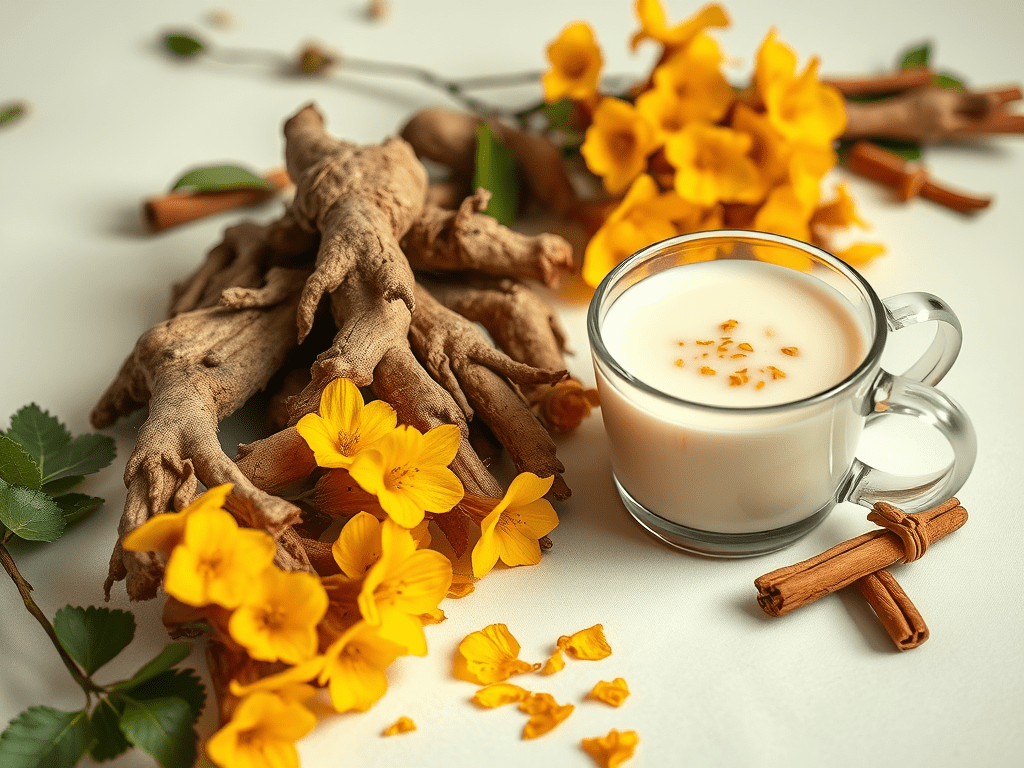
In today’s fast‑paced world, many of us are looking for natural ways to manage stress, restore energy, and bring more balance into daily life. One ancient herb that continues to gain attention in holistic health circles is ashwagandha. Known as an adaptogen—a class of herbs that help the body adapt to stress—ashwagandha has been a cornerstone in Ayurvedic medicine for thousands of years.
Let’s dive into what makes ashwagandha so special, explore its many health benefits, and look at practical ways to incorporate it into your life in alignment with a holistic lifestyle.
What Is Ashwagandha?
Ashwagandha (Withania somnifera), sometimes called Indian ginseng or winter cherry, is a small shrub with yellow flowers native to India and North Africa. Its root and leaves are traditionally used for their medicinal properties. In Sanskrit, “ashwagandha” translates to “smell of a horse,” symbolizing the strength and vitality it was believed to impart.
As an adaptogen, ashwagandha doesn’t simply stimulate or sedate; it helps bring the body back into equilibrium, supporting resilience during both physical and emotional challenges.
Health Benefits of Ashwagandha
1. Stress Reduction and Calm
One of the most well‑researched benefits of ashwagandha is its ability to reduce stress. It helps regulate cortisol—the body’s primary stress hormone—leading to a calmer nervous system and improved ability to handle life’s demands.
2. Improved Sleep Quality
Because of its calming effect on the nervous system, ashwagandha can promote deeper, more restful sleep, making it helpful for those who struggle with insomnia or irregular sleep patterns.
3. Enhanced Energy and Stamina
Unlike stimulants that lead to energy crashes, ashwagandha supports sustained vitality by nourishing the adrenals. Many people report feeling less fatigued and more capable of handling physical activity or demanding schedules.
4. Immune System Support
Ashwagandha has antioxidant and anti‑inflammatory properties that support immune health and help the body recover from illness or exertion.
5. Cognitive and Mood Support
Some studies suggest ashwagandha can enhance memory, focus, and mental clarity. Its stress‑modulating effects can also uplift mood and support emotional balance.
6. Hormonal and Reproductive Health
In traditional use, ashwagandha is known to support reproductive health in both men and women. It may help with hormonal balance and support overall vitality.
How to Incorporate Ashwagandha into Daily Life
Holistic living is about creating gentle, sustainable practices that honor your body’s needs. Ashwagandha can easily become part of your daily routine in several forms:
Ashwagandha Powder
- Stir ½ to 1 teaspoon into warm milk (dairy or plant‑based) with a dash of cinnamon and honey before bed to support restful sleep.
- Blend into morning smoothies or energy balls for a subtle adaptogenic boost.
Ashwagandha Capsules or Tablets
- A convenient option for busy schedules. Look for high‑quality, organic supplements and follow the recommended dosage on the label or as advised by a healthcare professional.
Ashwagandha Tincture
- Add a few drops to water, herbal tea, or juice. Tinctures are quickly absorbed and easy to adjust in dose.
Ashwagandha Tea Blends
- Many herbal teas feature ashwagandha paired with calming herbs like tulsi, chamomile, or lavender. Enjoy a cup in the evening to wind down after a busy day.
Holistic Practices to Pair with Ashwagandha
Ashwagandha works best as part of a bigger picture—your overall lifestyle. Enhance its benefits by pairing it with other mindful practices:
- Balanced Nutrition: Feed your body with whole, nutrient‑dense foods that support gut health and energy levels.
- Stress Management: Incorporate daily practices like meditation, yoga, or journaling to support the calming effects of ashwagandha.
- Movement: Gentle exercise like walking, stretching, or tai chi helps integrate adaptogenic support into your daily rhythm.
- Rest and Recovery: Make time for adequate sleep and restorative breaks throughout the day.
- Connection with Nature: Spend time outdoors to ground yourself and complement ashwagandha’s harmonizing effects.
Safety and Considerations
Ashwagandha is generally well tolerated, but it’s always wise to consult with a healthcare professional if you are pregnant, nursing, taking medications, or managing a specific health condition. Start with a small dose and observe how your body responds.
Final Thoughts
Ashwagandha is more than an herb; it’s a gentle companion on your path to balance, resilience, and vitality. By integrating it into your holistic lifestyle—whether through a soothing evening tonic, a morning smoothie, or a daily supplement—you’re nurturing not just your physical body but your emotional and mental wellbeing as well.
As with all holistic practices, consistency and intention matter. Choose a form of ashwagandha that feels natural to you, pair it with supportive habits, and allow its time‑tested wisdom to guide you toward a life of calm strength and vibrant health.
Nourish your body, calm your mind, and thrive from within—one mindful step at a time.






 LGR Holistic Wellness
Leave a comment