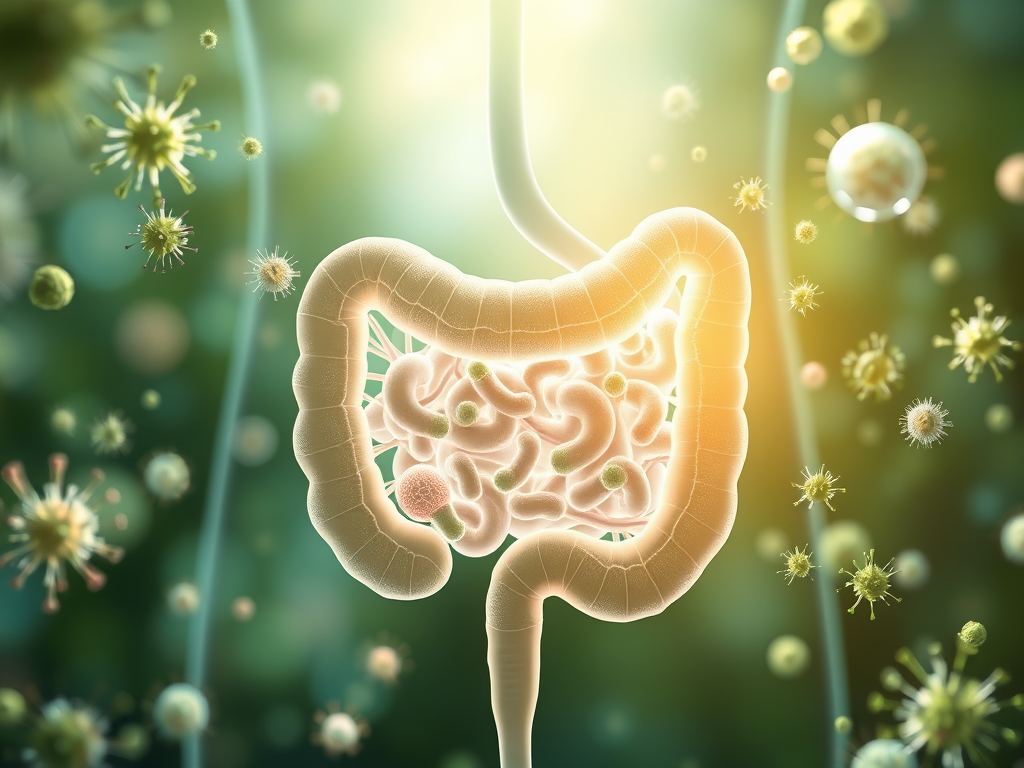
When most people think about supporting their immune system, they think of vitamin C, restful sleep, or perhaps a flu shot before winter. While those are all helpful, there is another key player in immune health that often goes overlooked: the trillions of microorganisms living in your gut. Probiotics—beneficial bacteria and yeasts—play a powerful role in keeping your immune system strong and balanced.
From a holistic perspective, our immune health isn’t just about fending off infections; it’s about cultivating balance in the body and mind. The gut and immune system are deeply interconnected, and when we care for one, we naturally support the other. Let’s explore how probiotics contribute to immune system support, and how to approach them in a way that fits into a holistic lifestyle.
Understanding the Gut–Immune Connection
About 70–80% of the body’s immune cells reside in the gut. This might surprise you, but your digestive system is one of the first lines of defense against pathogens. The gut lining acts as a barrier, and the immune cells stationed there constantly monitor and respond to what enters your body.
A healthy gut microbiome—made up of diverse bacteria, yeasts, and other microbes—communicates with the immune system every day. When the gut microbiome is balanced, it helps regulate inflammation, trains immune cells to respond appropriately, and prevents harmful invaders from taking hold.
When the gut is imbalanced, however—due to stress, poor diet, antibiotics, or illness—immune function can be weakened. This imbalance can lead to increased susceptibility to infections, higher inflammation levels, and even autoimmune issues.
What Are Probiotics?
Probiotics are live microorganisms that, when consumed in adequate amounts, provide health benefits to the host. These beneficial bacteria help maintain a balanced microbiome and strengthen gut integrity.
Common probiotic strains include:
- Lactobacillus species (like Lactobacillus rhamnosus and Lactobacillus acidophilus) which support digestion and immune defense.
- Bifidobacterium species (like Bifidobacterium longum and Bifidobacterium bifidum) which help modulate immune responses and reduce inflammation.
- Saccharomyces boulardii, a beneficial yeast known to support gut health even during antibiotic use.
Probiotics can be consumed through food or supplements. Foods like yogurt with live cultures, kefir, sauerkraut, kimchi, miso, and kombucha are naturally rich in these helpful microbes.
How Probiotics Support the Immune System
From a holistic perspective, probiotics don’t “boost” the immune system in a simplistic sense; rather, they help regulate and strengthen immune function in a balanced way. Here’s how they contribute:
1. Strengthening the Gut Barrier
A strong gut lining prevents harmful substances from entering the bloodstream. Probiotics encourage the production of mucus and tight junction proteins, which fortify this barrier and reduce the risk of leaky gut.
2. Modulating Inflammation
An overactive immune response can lead to chronic inflammation, while an underactive one leaves you vulnerable to infection. Probiotics help immune cells strike a healthy balance, calming unnecessary inflammation while keeping defenses alert.
3. Producing Antimicrobial Substances
Certain probiotic strains produce substances like lactic acid and bacteriocins that inhibit the growth of harmful bacteria, helping maintain a healthy microbial balance in the gut.
4. Training Immune Cells
Probiotics interact with immune cells such as dendritic cells and T-cells, “training” them to recognize harmful pathogens and tolerate harmless substances like food particles and beneficial bacteria.
5. Reducing Frequency of Infections
Clinical studies have shown that regular consumption of specific probiotic strains can reduce the incidence and duration of common illnesses like upper respiratory infections and gastrointestinal bugs.
A Holistic Approach to Probiotics and Immune Support
Holistic health emphasizes that no single supplement or practice works in isolation. While probiotics are powerful, their benefits are enhanced when paired with a lifestyle that nourishes your whole self.
Nutritional Balance
Probiotics thrive when you also provide them with prebiotics—non-digestible fibers that feed good bacteria. Foods like garlic, onions, asparagus, bananas, and oats support a flourishing gut ecosystem. Together, probiotics and prebiotics create synbiotic relationships that amplify immune benefits.
Stress Management
Chronic stress disrupts gut health and suppresses immune function. Practices like meditation, journaling, deep breathing, and gentle movement (yoga, tai chi, walking) can calm your nervous system, which in turn supports your gut microbiome.
Adequate Rest
Sleep is critical for immune regulation. A well-rested body maintains stronger gut integrity and more balanced immune responses. Aim for 7–9 hours of quality sleep per night.
Environmental Awareness
Holistic wellness also considers your environment. Limiting exposure to toxins (like unnecessary antibiotics, harsh chemicals, or heavily processed foods) helps protect your microbiome. Choosing organic produce when possible, filtering your water, and using natural cleaning products can support your gut and immune health.
Mindful Supplementation
If you choose a probiotic supplement, select one with strains backed by research for immune support. Look for multi-strain formulas with clear labeling and third-party testing. Consider rotating products or consulting a nutritionist or healthcare provider to match strains with your unique needs.
Practical Ways to Incorporate Probiotics Into Your Daily Life
Here are simple strategies for bringing probiotics into your routine in ways that feel natural and enjoyable:
- Breakfast: Add a serving of plain kefir or yogurt with live cultures. Top with banana slices and oats for a synbiotic meal.
- Lunch: Include a spoonful of sauerkraut or kimchi as a side to your main dish.
- Dinner: Use miso in soups or dressings, or add a kombucha alongside your meal.
- Snacks: Try tempeh or cultured pickles for a quick, gut-friendly bite.
If traveling or dealing with digestive stress (like during antibiotic use), a high-quality probiotic supplement can provide additional support.
Listening to Your Body
From a holistic standpoint, tuning into your body’s feedback is key. After incorporating probiotics, notice changes in digestion, energy levels, or frequency of illness. Everyone’s microbiome is unique, so what works well for one person may need adjusting for another.
Some people may experience mild bloating or gas when first introducing probiotics; this is often temporary as the gut adjusts. Start with small amounts and gradually increase. If you have underlying health conditions or immune challenges, consult a trusted healthcare provider before beginning a new regimen.
Probiotics and the Bigger Picture of Wellness
Probiotics are not magic bullets, but they are valuable allies in building a strong, balanced immune system. They remind us that our health is deeply interconnected—our gut communicates with our immune system, which in turn affects our mood, energy, and overall vitality.
Taking care of your gut through probiotics and a holistic lifestyle creates a ripple effect:
- Stronger immunity means fewer sick days and greater productivity.
- Better digestion means improved nutrient absorption and steady energy.
- Balanced gut health can support mental wellness through the gut-brain connection.
When you prioritize your gut microbiome, you are nurturing the foundation of your health from the inside out.
Final Thoughts
Supporting your immune system holistically means looking beyond quick fixes and investing in long-term balance. Probiotics—through food and supplementation—play a key role in this process by nurturing the gut microbiome that underpins so much of your body’s defense system.
Pair them with prebiotic-rich foods, stress management, restorative sleep, and a mindful approach to your environment. As you weave these practices into your life, you’ll notice not only stronger immunity but also greater overall wellbeing.
Your gut and immune system are in constant conversation. By caring for one, you uplift the other. In every season of life, whether you’re staying well at home or traveling abroad, let this holistic perspective guide you: nourish within to thrive throughout.





 LGR Holistic Wellness
Leave a comment