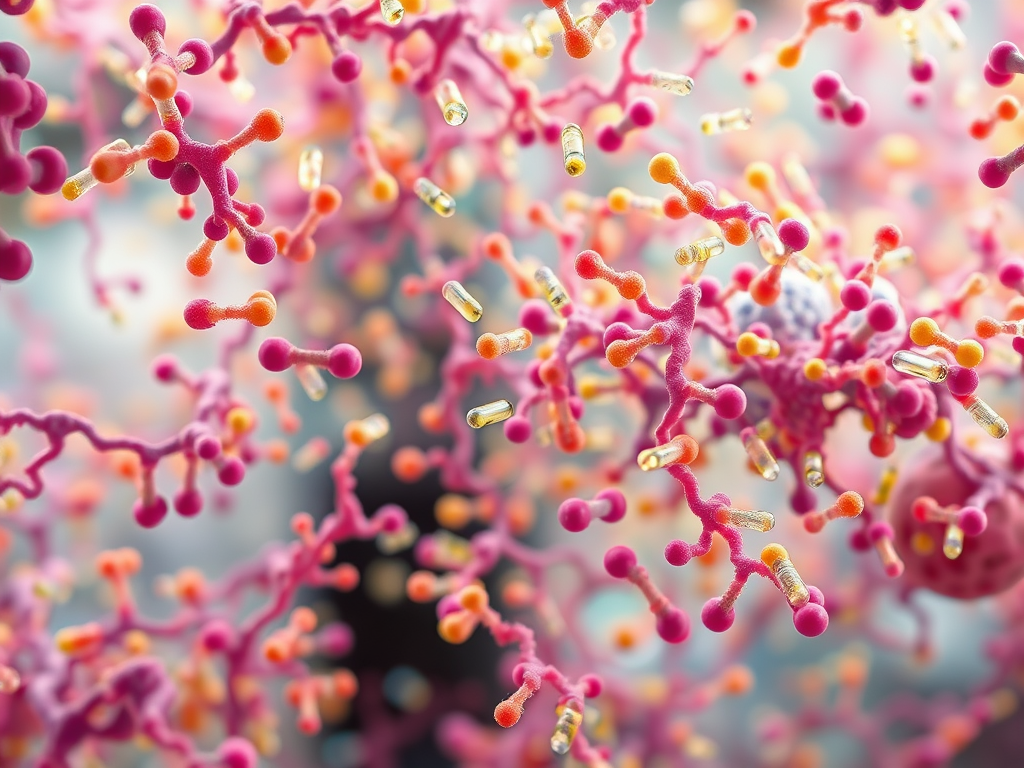
Antibiotics are powerful medications that have saved countless lives. They are used to treat bacterial infections by killing or inhibiting the growth of harmful bacteria in the body. However, as holistic health experts often explain to their clients, antibiotics do not distinguish between “bad” and “good” bacteria. While they target the infection, they can also disrupt the delicate balance of the gut microbiome—the diverse ecosystem of beneficial bacteria that supports digestion, immunity, and overall health.
For anyone committed to holistic living, understanding how antibiotics affect the body and how to support recovery is crucial. This involves learning about probiotics, prebiotics, and how to integrate them into your diet and lifestyle during and after antibiotic treatment. It also means looking at antibiotic use through a lens that honors the seven dimensions of wellness: physical, emotional, mental, spiritual, environmental, social, and occupational.
This comprehensive guide explains what happens to your gut when you take antibiotics, why probiotics and prebiotics are important, and how you can support your body’s natural resilience with intentional choices before, during, and after antibiotic use.
How Antibiotics Affect the Body and Microbiome
Antibiotics work by eliminating harmful bacteria, but in doing so, they often disrupt the healthy gut flora that help regulate digestion, produce vitamins, support immunity, and even influence mood and energy levels. When the microbiome is disrupted, it can lead to short-term effects such as:
- Bloating
- Diarrhea or constipation
- Reduced immune defenses
- Increased susceptibility to opportunistic infections like yeast overgrowth
Long-term imbalance, known as dysbiosis, can contribute to issues like irritable bowel syndrome (IBS), food intolerances, or weakened immune function. Supporting your gut during antibiotic treatment is not just about avoiding these uncomfortable symptoms—it is about preserving your body’s foundation of health.
The Role of Probiotics
Probiotics are live microorganisms—primarily beneficial bacteria and yeasts—that confer health benefits when consumed in adequate amounts. They help replenish and maintain the balance of your gut microbiome. Probiotics can be found in fermented foods and dietary supplements, and they play several roles:
- Restore gut flora balance: By introducing beneficial bacteria, probiotics help crowd out harmful pathogens and restore equilibrium.
- Support digestion: Certain probiotic strains produce enzymes that assist in breaking down food and absorbing nutrients.
- Enhance immunity: A healthy gut microbiome regulates immune responses and can reduce inflammation.
- Protect against secondary infections: Probiotics create an environment that discourages harmful bacteria or yeast from overgrowing.
Different probiotic strains serve different functions. For example:
- Lactobacillus rhamnosus GG has been well-studied for reducing antibiotic-associated diarrhea.
- Saccharomyces boulardii, a beneficial yeast, can withstand antibiotics and protect against gut inflammation.
- Bifidobacterium longum and Lactobacillus acidophilus are common strains that promote overall gut health.
The Role of Prebiotics
Prebiotics are non-digestible fibers that feed beneficial bacteria. Think of them as nourishment for your gut’s microbiome. While probiotics introduce good bacteria, prebiotics help those bacteria thrive. Foods rich in prebiotics include:
- Garlic
- Onions
- Leeks
- Asparagus
- Bananas (especially slightly green)
- Chicory root
- Jerusalem artichokes
- Oats and barley
By consuming prebiotic foods, you provide the raw materials needed for healthy bacteria to multiply and maintain balance.
Using Probiotics During Antibiotic Treatment
If you are prescribed antibiotics, you can start taking probiotics during treatment to help mitigate side effects. However, timing matters. Antibiotics can kill many probiotic bacteria if taken too closely together, so holistic nutritionists often recommend spacing them out. A good approach is to take your probiotic at least two to three hours after your antibiotic dose to reduce the likelihood of the antibiotic killing the beneficial bacteria.
You can incorporate probiotic-rich foods like:
- Unsweetened yogurt with live cultures
- Kefir
- Sauerkraut
- Kimchi
- Miso
- Tempeh
- Kombucha
These foods are gentle, supportive, and align with holistic eating practices. Start with small portions if your digestion feels sensitive.
Supporting the Gut After Antibiotic Use
Once you finish your course of antibiotics, it is important to focus on rebuilding your gut microbiome. This is where prebiotics and probiotics work together synergistically. Continuing a daily probiotic supplement for at least several weeks after your antibiotic course can help repopulate your gut with beneficial bacteria. Pairing this with prebiotic-rich foods encourages those bacteria to flourish.
Here are practical steps to support your gut post-antibiotics:
- Reintroduce Probiotic Foods Daily
Aim for one or two servings of probiotic foods per day. For example, have kefir with breakfast or include sauerkraut with your lunch salad. - Increase Prebiotic Fiber
Incorporate prebiotic vegetables, whole grains, and legumes into your meals. A roasted garlic hummus, onion-rich soups, and asparagus salads are great options. - Stay Hydrated
Water is essential for digestion and helps fiber move through the digestive tract effectively. Herbal teas like ginger or peppermint can also soothe the gut. - Minimize Processed Foods
Processed foods high in refined sugar and unhealthy fats can feed harmful bacteria and slow the restoration of gut balance. - Manage Stress
Chronic stress affects the gut-brain axis and can impair healing. Incorporate stress-reducing practices like yoga, meditation, or simple breathing exercises. - Consider a High-Quality Probiotic Supplement
Look for a product with multiple strains and a high colony-forming unit (CFU) count. Choose supplements that have been third-party tested for quality and viability.
Holistic Living and Antibiotic Recovery
Holistic health is about looking at the whole picture. Antibiotic use affects more than just your gut. Here’s how supporting your gut aligns with broader wellness dimensions:
- Physical wellness: Maintaining a balanced microbiome enhances digestion, nutrient absorption, and immune resilience.
- Emotional wellness: The gut produces a large portion of serotonin, the “feel-good” neurotransmitter. A healthy gut supports stable moods and emotional wellbeing.
- Mental wellness: A flourishing microbiome can reduce brain fog and improve clarity by reducing systemic inflammation.
- Spiritual wellness: Caring for your body through intentional eating and mindful practices can foster a deeper connection to yourself and nature.
- Social wellness: When your gut is healthy, you may feel more energetic and comfortable, which enhances your ability to connect with others.
- Occupational wellness: Good gut health reduces sick days and supports the focus needed for professional growth.
- Environmental wellness: Choosing whole, plant-based, and minimally processed prebiotic and probiotic foods supports sustainable food systems.
What About Side Effects and Special Considerations?
Everyone’s body is unique, and some individuals may experience mild digestive discomfort when introducing probiotics or high-fiber prebiotics. Start with small servings and gradually increase as tolerated. If you have specific medical conditions—such as a compromised immune system—consult your healthcare provider before adding probiotics or prebiotics.
For children or elderly individuals taking antibiotics, supporting the gut becomes even more important. Many pediatricians recommend age-appropriate probiotic strains to reduce the risk of diarrhea and support overall immune health.
How Long Should You Support Your Gut?
While your gut can begin to rebound within weeks after antibiotic use, studies suggest it can take months for the microbiome to fully restore. Continuing to prioritize probiotic and prebiotic foods long-term is a cornerstone of holistic health, not just something to focus on after antibiotics.
Here is a sample recovery plan after finishing antibiotics:
- Week 1–2: Continue taking probiotics daily, add one probiotic food per day, increase hydration, and start incorporating prebiotic-rich meals.
- Week 3–4: Expand your prebiotic variety, try new fermented foods, and monitor digestion and energy levels.
- Month 2 and beyond: Maintain a routine of diverse whole foods, regular fermented food intake, and stress management techniques to keep your microbiome thriving.
Practical Ways to Add Prebiotic and Probiotic Foods to Your Day
- Breakfast: Top oatmeal with sliced bananas and a spoonful of plain kefir.
- Lunch: Add a serving of sauerkraut to a grain bowl with greens and roasted vegetables.
- Snack: Enjoy a small portion of kimchi with avocado on rice cakes.
- Dinner: Include a garlic and leek soup with a side of steamed asparagus.
- Evening: Sip on a small glass of kombucha or mix a probiotic powder into water.
Supporting Your Gut While Honoring Holistic Principles
Holistic nutritionists encourage their clients to approach antibiotic recovery with compassion and consistency. Instead of focusing on a quick fix, they promote small, sustainable changes that integrate naturally into daily routines. This mindset aligns with holistic living—valuing balance, connection, and intentional choices.
Here are a few additional reminders:
- Be patient with your body’s healing process.
- Celebrate each small improvement in digestion or energy as a sign of progress.
- Remember that gut health is closely tied to lifestyle—sleep well, move regularly, and minimize unnecessary stress.
Final Thoughts
Antibiotics are valuable tools, but they do not come without impact. By understanding the interplay of probiotics, prebiotics, and antibiotics, you can take an active role in supporting your body during and after treatment. Whether it’s through mindful supplementation, prebiotic-rich meals, or incorporating probiotic foods into your day, these choices help rebuild and maintain the vibrant ecosystem within you.
Holistic living is about more than the absence of illness—it’s about cultivating vitality, resilience, and harmony across all areas of your life. Supporting your gut health after antibiotics is a profound act of self-care that strengthens not just your physical body, but your overall sense of wellbeing.
As you move forward, consider making probiotic and prebiotic foods a permanent part of your diet, not just a temporary measure. Your gut, your mind, and your whole self will benefit for years to come. Thrive from within by nurturing the foundation of your health—your microbiome.



 LGR Holistic Wellness
Leave a comment