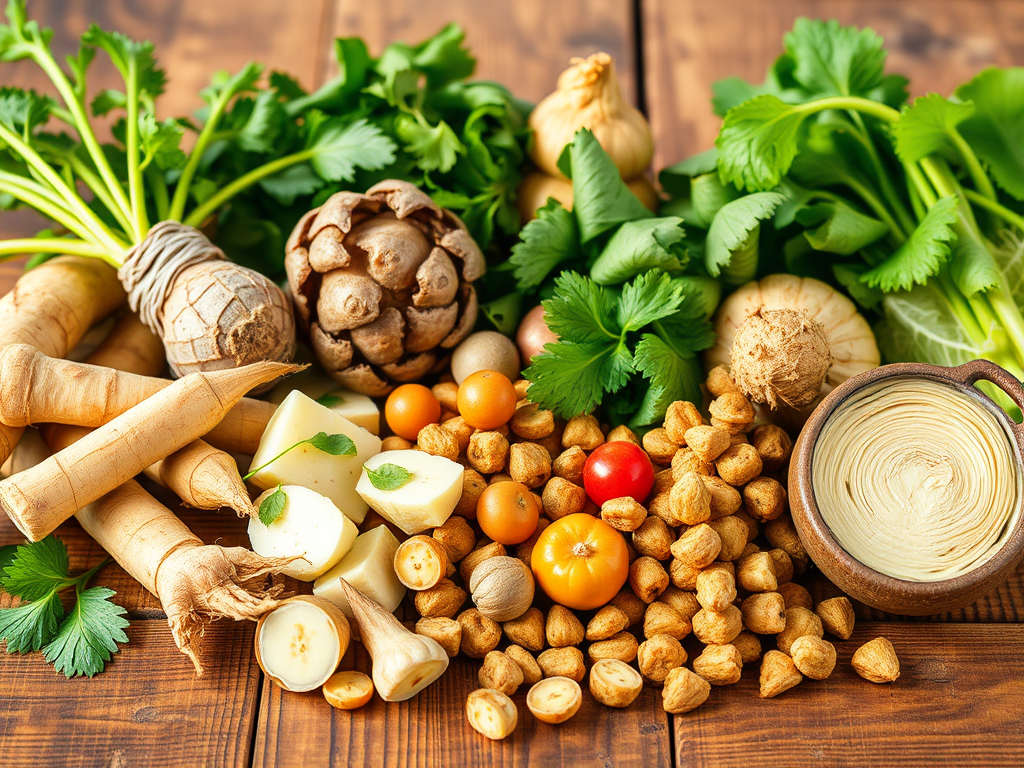
When we think of gut health, probiotics often steal the spotlight. But the unsung heroes of digestive wellness are prebiotics—the fibrous compounds found in plant-based whole foods that nourish the beneficial bacteria already living in your gut. While probiotics are like planting flowers in a garden, prebiotics are the water, sunlight, and soil that help those flowers bloom. Without a steady intake of prebiotics, probiotics can’t thrive.
From a holistic wellness perspective, prebiotics do more than just help digestion. By feeding the gut microbiome, they impact your mood, immune function, mental clarity, and even your long-term disease resistance. The gut is often referred to as the “second brain,” and nurturing it is one of the most foundational things you can do for your total wellbeing.
In this article, we’ll explore the top 10 whole foods that naturally support prebiotic intake, and how each one contributes to the seven dimensions of holistic wellness: physical, emotional, intellectual, social, spiritual, environmental, and occupational.
1. Chicory Root: The Gut’s Best Friend
Why it’s powerful: Chicory root contains one of the highest concentrations of inulin, a soluble fiber that feeds beneficial bacteria and improves bowel regularity.
Physical Wellness: Inulin in chicory root supports digestive regularity and helps regulate blood sugar.
Emotional Wellness: By reducing systemic inflammation and balancing the gut-brain axis, chicory root may ease symptoms of anxiety and mood fluctuations.
Intellectual Wellness: A healthy gut contributes to mental clarity and reduced brain fog, supporting cognitive sharpness.
Social Wellness: When digestion is smooth and energy is stable, it’s easier to engage meaningfully in relationships.
Spiritual Wellness: Consuming foods that support balance and internal harmony is an act of self-respect and awareness.
Environmental Wellness: Chicory is a hardy plant that can be grown in diverse climates with minimal resources.
Occupational Wellness: Improved gut health can reduce sick days and improve energy for sustained productivity.
How to use it: Add ground chicory to herbal teas or use it as a coffee alternative. It also blends well into smoothies.
2. Jerusalem Artichokes: The Inulin Powerhouse
Why it’s powerful: Also known as sunchokes, Jerusalem artichokes are packed with inulin and fiber that promote the growth of bifidobacteria and other helpful gut microbes.
Physical Wellness: These tubers support bowel health and help control cholesterol and blood sugar levels.
Emotional Wellness: Gut flora fed by Jerusalem artichokes play a role in the production of neurotransmitters like serotonin.
Intellectual Wellness: Regular consumption supports neuroplasticity and mental alertness by regulating inflammation.
Social Wellness: Feeling good physically allows for more engaged and enjoyable social interactions.
Spiritual Wellness: Eating foods in their most natural, unprocessed form can enhance your sense of connection to the earth and your body.
Environmental Wellness: As a perennial plant, Jerusalem artichokes require little maintenance and are a sustainable crop.
Occupational Wellness: By stabilizing blood sugar and energy levels, they help reduce midday crashes during work hours.
How to use it: Roast or sauté them with olive oil and herbs for a satisfying prebiotic-rich side dish.
3. Garlic: The Gut’s Natural Protector
Why it’s powerful: Garlic is rich in prebiotic compounds like inulin and fructooligosaccharides (FOS), which promote beneficial bacterial growth while reducing harmful strains.
Physical Wellness: Garlic boosts immunity, supports heart health, and contributes to microbial balance in the gut.
Emotional Wellness: A well-functioning gut helps regulate mood, and garlic’s antimicrobial properties reduce inflammation that could affect mental health.
Intellectual Wellness: Antioxidants in garlic promote neural protection and cognitive longevity.
Social Wellness: While the smell of garlic might be strong, the vitality it provides enhances overall quality of life and social energy.
Spiritual Wellness: Garlic has been used for centuries in spiritual and healing traditions. Its grounding, purifying energy supports resilience.
Environmental Wellness: Garlic is easy to grow at home and requires minimal resources, making it a great option for reducing food miles.
Occupational Wellness: Fewer sick days and higher energy from immune support benefit any career path.
How to use it: Use raw or roasted garlic in sauces, soups, dressings, and spreads.
4. Onions: Layered in Benefits
Why it’s powerful: Like garlic, onions contain inulin and FOS. They also offer quercetin, a powerful antioxidant that complements prebiotic action.
Physical Wellness: Onions support digestion, lower inflammation, and help modulate blood pressure.
Emotional Wellness: A healthier gut flora enhances your ability to regulate stress and mood.
Intellectual Wellness: Onions’ sulfur compounds may contribute to brain detoxification and cognitive longevity.
Social Wellness: Reducing physical symptoms like bloating and fatigue can make social interactions more comfortable.
Spiritual Wellness: Onions remind us of inner complexity—peeling back layers to discover deeper truths about our health.
Environmental Wellness: Widely available and low-impact to grow, onions are a planet-friendly pantry staple.
Occupational Wellness: Clear thinking and good digestion enhance work performance and stamina.
How to use it: Enjoy raw in salads, caramelized with other vegetables, or as a base for broths and stews.
5. Leeks: Gentle and Nourishing
Why it’s powerful: Leeks are a mild allium vegetable rich in prebiotic fibers like inulin. Their gentle flavor and texture make them easy to integrate into a variety of dishes.
Physical Wellness: Leeks support liver detoxification and help increase satiety.
Emotional Wellness: Prebiotic-rich diets help stabilize stress hormones like cortisol, and leeks contribute to that balance.
Intellectual Wellness: The nutrients in leeks support healthy neural connections and mental alertness.
Social Wellness: Balanced blood sugar and mood from consuming leeks support positive interactions.
Spiritual Wellness: Their upward-growing stalks symbolize growth and light—beautiful metaphors for wellness.
Environmental Wellness: Leeks can grow in cooler climates and store well, minimizing waste.
Occupational Wellness: Leeks offer sustained energy and reduced inflammation for optimal work performance.
How to use it: Sauté leeks in olive oil with herbs or add them to soups, quiches, and risottos.
6. Asparagus: The Spring Detoxifier
Why it’s powerful: Asparagus is high in inulin and antioxidants, making it a seasonal superstar for supporting digestive flora and detox pathways.
Physical Wellness: Promotes kidney function and acts as a natural diuretic while feeding beneficial bacteria.
Emotional Wellness: A well-supported gut-brain axis positively influences stress regulation.
Intellectual Wellness: B vitamins in asparagus contribute to neurological health and neurotransmitter function.
Social Wellness: Improved gut health often leads to better sleep and mood—both essential for enjoyable social connection.
Spiritual Wellness: Asparagus is one of the first vegetables to appear in spring, symbolizing renewal and vitality.
Environmental Wellness: Grown during specific seasons, it encourages sustainable, local eating.
Occupational Wellness: Nutrients in asparagus help reduce fatigue, increase focus, and enhance resilience during long workdays.
How to use it: Roast, steam, or grill with lemon and herbs for a fiber-rich side dish.
7. Bananas (Especially Unripe)
Why it’s powerful: Unripe bananas are rich in resistant starch, which functions as a prebiotic and helps regulate digestion and blood sugar.
Physical Wellness: Provides energy and improves bowel regularity, especially helpful for athletes and active individuals.
Emotional Wellness: Bananas support serotonin production and may reduce symptoms of depression and anxiety.
Intellectual Wellness: With a balance of quick and slow-release carbohydrates, they offer brain fuel without a crash.
Social Wellness: Bananas are easy to share and integrate into meals and snacks, promoting social enjoyment.
Spiritual Wellness: Their natural sweetness and accessibility remind us that health can be both simple and satisfying.
Environmental Wellness: When sourced ethically, bananas can be a low-waste, nutrient-dense food.
Occupational Wellness: Easy to pack and consume, bananas make an excellent on-the-go snack for busy professionals.
How to use it: Eat unripe bananas in smoothies, slice into oatmeal, or bake into muffins for a prebiotic-rich treat.
8. Apples (Especially with Skin)
Why it’s powerful: Apples contain pectin, a type of soluble fiber with strong prebiotic effects, particularly when consumed with the skin.
Physical Wellness: Apples support cardiovascular health and improve digestion.
Emotional Wellness: Their blood sugar-stabilizing effect can reduce mood swings and irritability.
Intellectual Wellness: Antioxidants in apples, including quercetin, protect against cognitive decline.
Social Wellness: Their widespread availability makes apples an easy addition to shared meals and snacks.
Spiritual Wellness: A symbol of knowledge and vitality, apples remind us of our connection to nature’s wisdom.
Environmental Wellness: Locally grown apples reduce carbon footprint and support regional agriculture.
Occupational Wellness: Their portability and fiber content make apples a perfect midday snack to support energy and focus.
How to use it: Eat raw with nut butter, add to salads, or bake with spices for a nourishing dessert.
9. Flaxseeds: Tiny but Mighty
Why it’s powerful: Flaxseeds are rich in both soluble and insoluble fiber, as well as omega-3 fatty acids, making them a nutritional powerhouse.
Physical Wellness: Supports gut motility, reduces cholesterol, and promotes regularity.
Emotional Wellness: Omega-3s help modulate inflammation, which may benefit emotional regulation and stress response.
Intellectual Wellness: The healthy fats and fiber in flaxseed contribute to brain health and mental stamina.
Social Wellness: Digestive ease and sustained energy lead to better presence in personal interactions.
Spiritual Wellness: Flaxseeds encourage a slow, steady approach to health—tiny seeds, big transformation.
Environmental Wellness: Often grown with fewer pesticides, flax is relatively sustainable and has multiple culinary uses.
Occupational Wellness: Supports hormonal balance and brain clarity, especially helpful during high-stress work periods.
How to use it: Add ground flax to smoothies, oatmeal, baked goods, or sprinkle on salads.
10. Barley (Whole and Sprouted)
Why it’s powerful: Barley contains beta-glucan, a fiber with notable prebiotic properties that also supports heart health.
Physical Wellness: Helps manage cholesterol and blood sugar, while supporting healthy gut flora.
Emotional Wellness: Stable blood sugar improves emotional stability and resilience.
Intellectual Wellness: Beta-glucan helps reduce inflammation, supporting long-term brain function.
Social Wellness: A hearty, grounding grain that encourages mindful eating and shared meals.
Spiritual Wellness: Traditionally considered a sacred grain in many cultures, barley symbolizes nourishment and connection.
Environmental Wellness: Barley is drought-tolerant and can be grown in a variety of climates.
Occupational Wellness: Sustained energy from whole grains supports productivity without the highs and lows of refined carbs.
How to use it: Add to soups and stews, or use sprouted barley in salads or grain bowls.
In Summary: A Whole-Body Commitment to Gut Health
Incorporating prebiotic-rich whole foods into your diet is one of the most powerful ways to support not just your digestion, but your entire self. As these ten foods illustrate, a healthy gut supports emotional balance, mental clarity, energy levels, and even your ability to show up meaningfully in your personal and professional life.
Holistic wellness is about honoring all seven dimensions—physical, emotional, intellectual, social, spiritual, environmental, and occupational. When you focus on nourishing your gut with whole, real foods, you’re not just feeding your body. You’re feeding your vitality, your purpose, your resilience, and your joy.


 LGR Holistic Wellness
Leave a comment