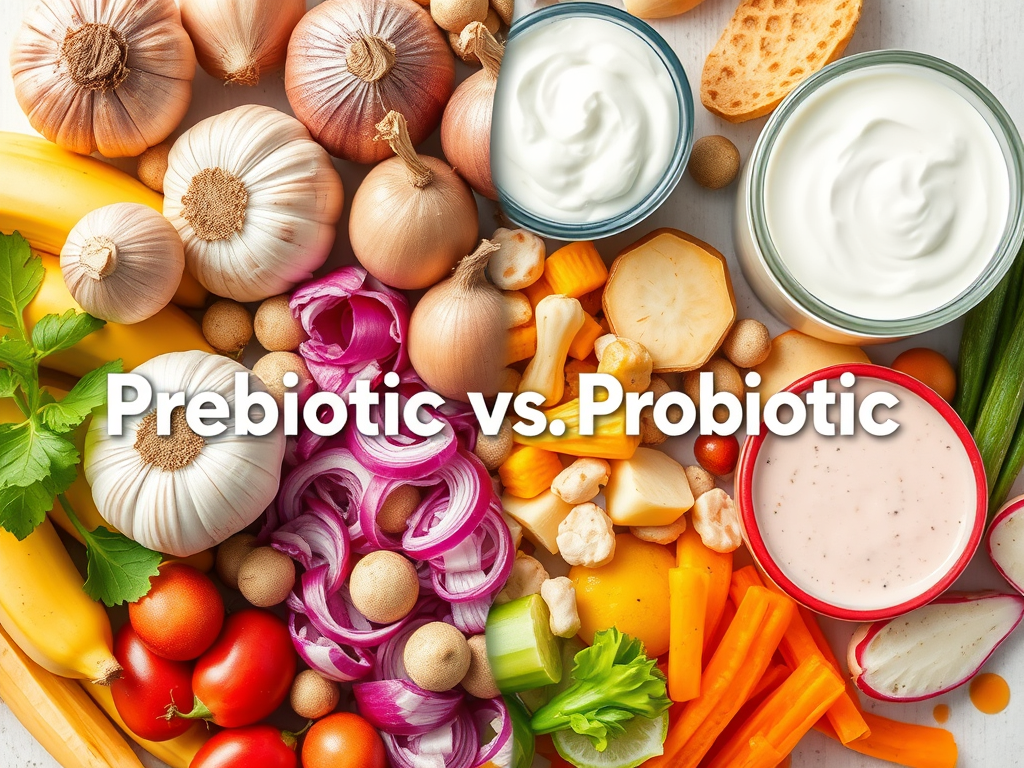
Gut health has taken center stage in the world of wellness—and for good reason. The health of your gut isn’t just about digestion; it’s deeply connected to your immune function, mental clarity, mood, skin, weight, and even your risk for chronic disease. As we continue learning more about the gut-brain connection and the intricate microbiome that lives within us, two terms frequently come up: prebiotics and probiotics.
You’ve likely seen them featured on food packaging, supplement bottles, or wellness blogs. You will even see them on skincare labels. Maybe you’ve even added them to your routine. But do you truly understand the difference between them—and why both are critical to your overall wellbeing?
In this post, we’ll break down the difference between prebiotics and probiotics, explore how they work together, and show you how to make them part of a gut-friendly lifestyle that supports optimal health from the inside out.
Understanding the Gut Microbiome
Before we dive into prebiotics and probiotics, it’s helpful to understand the ecosystem they support. Your gut microbiome is home to trillions of bacteria, fungi, and other microbes, most of which are beneficial. These tiny organisms play essential roles in:
- Breaking down food
- Absorbing nutrients
- Producing vitamins (like B vitamins and vitamin K)
- Regulating inflammation
- Supporting immune responses
- Communicating with the brain via the gut-brain axis
A healthy gut microbiome is diverse and balanced, with a wide array of microbial species working together in harmony. Disruption in this balance—called dysbiosis—can lead to a cascade of health issues including bloating, fatigue, acne, brain fog, food intolerances, autoimmune flare-ups, and anxiety.
This is where prebiotics and probiotics come in. They’re essential for cultivating and maintaining the ideal environment in your gut.
What Are Probiotics?
Probiotics are live microorganisms—mostly bacteria and some yeasts—that provide health benefits when consumed in adequate amounts. Think of them as the good guys: friendly, helpful bacteria that populate your gut and support various functions throughout your body.
Probiotics naturally occur in fermented foods and can also be taken in supplement form. Their main job is to restore and maintain a healthy balance of gut flora, especially after it’s been disrupted by things like:
- Antibiotic use
- Poor diet
- Chronic stress
- Illness or infection
- Environmental toxins
These beneficial microbes help crowd out harmful bacteria, produce compounds that support gut lining integrity, and even influence neurotransmitter production like serotonin and dopamine—key players in your mood and mental health.
Common Strains of Probiotics
Different strains of probiotics have different functions. Some of the most common include:
- Lactobacillus – Supports digestion, helps break down lactose, and may relieve diarrhea
- Bifidobacterium – May ease irritable bowel symptoms and support immune health
- Saccharomyces boulardii – A yeast probiotic that’s often used to treat diarrhea and restore gut balance
Probiotic-rich foods include:
- Yogurt (with live cultures)
- Kefir
- Sauerkraut
- Kimchi
- Miso
- Tempeh
- Kombucha
- Pickles (fermented in brine, not vinegar)
Supplements are also an option, especially if your diet is lacking fermented foods or if you’re recovering from antibiotics.
What Are Prebiotics?
Prebiotics are a type of fiber that your body cannot digest. Instead of feeding you, they feed the good bacteria in your gut. Think of prebiotics as nourishment for your probiotics—fuel for the beneficial microbes to grow, thrive, and do their job effectively.
Without prebiotics, probiotics don’t have the food they need to survive. That’s why the two go hand in hand. Taking probiotics without ensuring your diet contains enough prebiotics is like planting seeds in nutrient-poor soil. The seeds might sprout—but they won’t flourish.
Prebiotics are found in certain fruits, vegetables, whole grains, and legumes. They pass through the upper part of the gastrointestinal tract undigested and reach the colon, where they ferment and feed your gut bacteria.
Common Prebiotic Foods
- Chicory root
- Garlic
- Onions
- Leeks
- Asparagus
- Bananas (especially slightly green)
- Jerusalem artichokes
- Apples
- Dandelion greens
- Oats
- Flaxseeds
- Barley
- Legumes like lentils and chickpeas
Many of these foods are also rich in antioxidants and polyphenols, which further support gut health by reducing inflammation and oxidative stress.
Prebiotics vs. Probiotics: Key Differences
Let’s summarize the main differences:
| Category | Prebiotics | Probiotics |
|---|---|---|
| Definition | Non-digestible fiber that feeds good bacteria | Live beneficial bacteria that improve gut health |
| Function | Nourish existing bacteria | Add new beneficial bacteria |
| Found in | Plant-based foods high in fiber | Fermented foods and supplements |
| Survive digestion? | Yes, they make it to the colon | Some strains may not survive stomach acid |
| Examples | Garlic, onions, bananas, oats | Yogurt, sauerkraut, kefir, kimchi |
You need both to establish and maintain a thriving gut ecosystem.
Why You Need Both
Prebiotics and probiotics work synergistically. One supports the other. Think of it as a garden: probiotics are the plants, and prebiotics are the fertilizer. If you only focus on one, your garden will either be underpopulated (just soil with no seeds) or malnourished (seeds without nutrients).
Here are the key reasons you need both:
- To Maintain Gut Microbial Balance
Probiotics help establish a healthy population of beneficial microbes, while prebiotics help sustain that population. Together, they create an optimal environment for digestion, nutrient absorption, and immune regulation. - To Support Digestive Function
A balanced microbiome helps break down complex carbohydrates, synthesize vitamins, and regulate bowel movements. Prebiotics also help increase short-chain fatty acid production (like butyrate), which strengthens the intestinal lining and reduces inflammation. - To Enhance Mood and Mental Health
The gut is often called the “second brain.” A large percentage of neurotransmitters are produced in the gut, and imbalances in gut bacteria have been linked to anxiety, depression, and brain fog. Feeding your microbiome properly supports a clearer, more stable mental state. - To Strengthen Immune Defense
About 70% of your immune system lives in the gut. Probiotics help regulate immune responses, while prebiotics feed the bacteria that interact with immune cells. Together, they make your body more resilient against infections, allergens, and chronic inflammation. - To Recover From Disruption
After illness, antibiotics, or a period of poor eating, your gut bacteria may be depleted. Probiotics help repopulate, while prebiotics help rebuild and restore equilibrium. - To Support Healthy Weight and Metabolism
Research shows that gut bacteria influence appetite regulation, fat storage, and blood sugar balance. Prebiotics and probiotics can help rebalance hormones like leptin and ghrelin, reduce cravings, and improve metabolic flexibility.
Tips for Incorporating Prebiotics and Probiotics Into Your Life
You don’t need to overhaul your diet overnight to get the benefits of prebiotics and probiotics. Start small and build consistent habits that nourish your gut every day.
1. Eat a variety of plant-based foods
Aim for a rainbow of fruits and vegetables. Diversity in your plant intake leads to diversity in your microbiome, which is a marker of good gut health.
2. Include fermented foods regularly
A small daily serving of probiotic-rich foods can go a long way. Try kefir in your smoothies, miso in your soups, or sauerkraut on your salads.
3. Don’t fear fiber
Most Americans don’t get enough fiber, but it’s essential for feeding your good bacteria. Increase your intake gradually to avoid bloating, and drink plenty of water to support digestion.
4. Consider a high-quality supplement (if needed)
If you’re not getting enough probiotics or prebiotics through diet—especially after antibiotics or during times of stress—talk to your health provider about a reputable supplement. Look for probiotic strains that are clinically studied and prebiotics like inulin or fructooligosaccharides (FOS).
5. Avoid habits that harm your microbiome
Excess sugar, processed foods, chronic stress, and overuse of antibiotics can all disrupt your gut balance. Support your microbiome by choosing whole foods, managing stress, and avoiding unnecessary medications.
Final Thoughts
Your gut is more than just a place where food is digested—it’s a central command center for your entire health ecosystem. Supporting it with the right nourishment is one of the most empowering things you can do for your physical, emotional, and mental well-being.
Prebiotics and probiotics aren’t passing trends. They’re foundational tools in your holistic wellness toolkit. When used together, they create a powerful synergy that nurtures your body from the inside out.



 LGR Holistic Wellness
Leave a comment