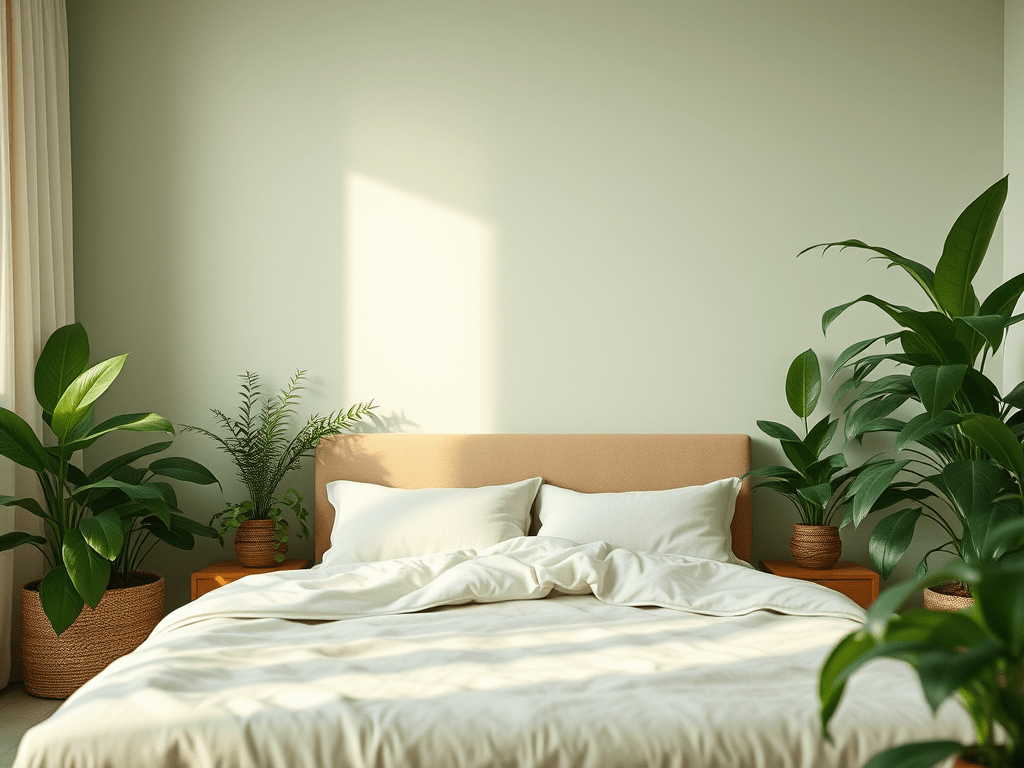
There’s a quiet kind of healing that happens when the lights go out and your body slips into rest. Sleep is more than a biological necessity—it’s a sacred time when your body regenerates, your mind processes, and your spirit resets. And yet, for many, sleep has become elusive, restless, or disconnected from the deeper rhythms of wellness.
True health is rooted in alignment—when your environment, habits, and inner life all support the same goal: restoration. That’s why one of the most transformative changes you can make for your well-being is to create a holistic sleep sanctuary—a space that nurtures deep rest and invites balance into every cell of your being.
Let’s explore how you can cultivate that sanctuary in your own home, why sleep hygiene matters more than ever, and how small changes to your space and nighttime rituals can help restore your energy, immunity, and emotional clarity.
Reclaiming Rest Through Holistic Sleep Hygiene
Holistic sleep hygiene goes beyond simply avoiding caffeine or putting away screens. It’s a lifestyle approach that honors your nervous system, regulates your circadian rhythm, and addresses emotional and environmental factors that impact your ability to fully rest.
When we talk about “sleep hygiene” in the context of holistic wellness, we’re referring to the intentional practices and surroundings that prepare your body and mind for restorative sleep. Your bedroom becomes more than a place to sleep—it becomes a sanctuary for healing.
Good sleep hygiene supports:
- Hormonal regulation, including melatonin and cortisol balance
- Immune system resilience
- Mental clarity and emotional regulation
- Natural detoxification processes
- Cellular repair and nervous system recovery
If you’re struggling with fragmented sleep, fatigue, or stress, your body may be signaling a need for a deeper kind of rest—one that’s supported by your space and your self-care rituals.
Why a Sleep Sanctuary Matters
Many of us spend the final moments of our day staring into bright screens, scrolling through stimulation, or lying awake in cluttered rooms filled with distractions. Over time, these habits dull our ability to hear the body’s natural cues for rest.
A sleep sanctuary is a physical representation of your intention to heal. It’s an environment designed with your well-being in mind—a space that tells your body it’s safe to let go, to unwind, to soften.
Creating such a space is not about perfection or expensive makeovers. It’s about creating energetic clarity. The environment around you has a profound effect on your inner world. When your sleep space is calm, clean, and soothing, it becomes a partner in your wellness journey rather than a barrier to it.
The benefits of a sleep sanctuary are deeply holistic:
- Reduces overstimulation and mental clutter
- Supports parasympathetic nervous system activity (rest and digest mode)
- Helps you fall asleep more easily and stay asleep longer
- Improves mood, focus, and emotional resilience
In other words, your sleep sanctuary is not just where you rest—it’s where your body restores its vitality and your spirit finds its grounding.
Foundations of a Holistic Sleep Environment
Now that we’ve explored why a sleep sanctuary matters, let’s focus on how to create one that’s aligned with your body’s natural rhythms and your emotional needs.
Here are the foundational elements of a healing sleep space:
1. Temperature Regulation
Your body naturally cools down before sleep. Supporting that process can help you drift off more easily. Keep your bedroom cool—ideally between 60–67°F. If you’re someone who runs hot or cold, consider natural fiber bedding like cotton, bamboo, or linen to help regulate temperature.
2. Darkness
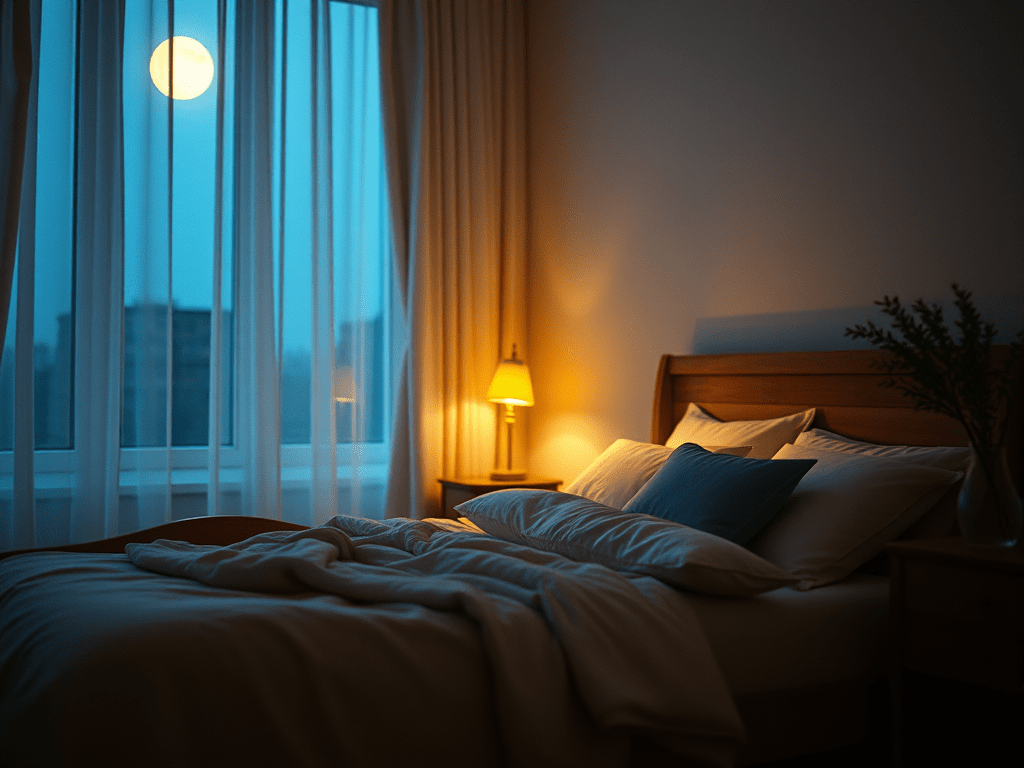
Light, especially artificial or blue light, disrupts melatonin production and confuses your circadian rhythm. Use blackout curtains to block external light, and remove or cover small electronic lights. If you need a light source, opt for warm-toned lamps or salt lamps in the evening hours.
3. Quietude or Soothing Sound
Noise pollution is a major disrupter of rest. Create a sound environment that supports your nervous system. Some may prefer total silence, while others sleep better with gentle white noise, rain sounds, or calming music. A white noise machine or nature sound playlist can help mask environmental noise and ease the mind into rest.
4. Breathable and Supportive Bedding
Your sleep surface matters. Invest in a supportive mattress and pillows that honor your body’s alignment. Choose natural, breathable fabrics that allow your skin to breathe and support a sense of comfort. Organic cotton sheets, soft throws, or even a weighted blanket can help ground your body and soothe anxiety.
5. An Electronics-Free Zone
Electronic devices emit blue light and energetic stimulation, making it harder to shift into deep rest. Keep your phone and tablet outside the bedroom if possible, or set a designated “sleep mode” time when they are turned off. Instead, bring in a book, journal, or calming essential oils to ease into stillness.
6. Declutter and Simplify
Energetic clutter is just as disruptive as physical clutter. A crowded, chaotic bedroom sends a subconscious signal of stress. Decluttering your space makes room for calm. Keep only what soothes, nourishes, and supports rest. Clear surfaces, soft lighting, and minimal décor can transform even a small room into a restorative space.
7. Aromatherapy and Natural Scents
Scents have a direct line to your limbic system—the emotional center of your brain. Certain essential oils like lavender, chamomile, and sandalwood promote relaxation and signal the body to unwind. Use a diffuser or a pillow spray as part of your nightly ritual. Even a few drops of essential oil on your wrists or temples can support your transition to sleep.
8. Color and Energy of the Room
Soft, cool tones like pale blues, greens, taupes, and creams are naturally calming. Avoid overly bright or bold colors in your sleep space unless they evoke a deeply peaceful response. Your color palette should reflect what helps your mind exhale. Consider artwork, tapestries, or nature imagery that cultivates peace.
9. Ritual and Intention
Your nighttime routine is just as important as your physical space. Create a wind-down ritual that helps your mind and body recognize that it’s time to rest. This might include stretching, gratitude journaling, drinking herbal tea, or reciting calming affirmations. Consistency signals safety—and safety invites rest.
Personalizing Your Sleep Sanctuary
There is no one-size-fits-all when it comes to wellness, and that includes your sleep space. Personalization is key. Think about your sleep challenges and your lifestyle. Are you a light sleeper? Sensitive to light or sound? Prone to overthinking at night?
Tailor your sanctuary to meet those needs with compassion. A few ideas:
- If you struggle with anxiety, try grounding textures like a weighted blanket or grounding mat.
- If you wake frequently, focus on layered bedding and temperature control.
- If your mind races at night, consider keeping a journal beside your bed to offload thoughts.
- If you’re spiritually inclined, include an altar, crystals, prayer cards, or calming mantras to help center your energy.
A true sanctuary supports all parts of you—your physical body, your emotional experience, and your energetic presence.
Let Your Nights Heal You
Sleep is one of the most underestimated forms of healing. When honored, it becomes a gateway to clarity, immunity, emotional regulation, and deep energy reserves. When neglected, it becomes a source of stagnation, inflammation, and imbalance.
By creating a holistic sleep sanctuary, you give yourself the gift of renewal. You show your nervous system that it’s safe to let go. You invite peace into the most intimate space of your life—your rest.
Start simply. Choose one or two elements to shift this week. Clear your space. Change your sheets. Diffuse lavender. Turn off your phone an hour earlier. Light a candle. Then listen to your body. It will tell you what feels good. What feels safe. What feels like rest.
Your health is sacred—and that begins with the way you care for yourself when no one is watching, in the quiet, at night, when the world slows down. That’s where healing begins.






 LGR Holistic Wellness
Leave a comment