Disclaimer
The content provided by LGR Holistic Wellness is for informational and educational purposes only and is not intended as a substitute for professional medical advice, diagnosis, or treatment. Always seek the advice of your physician, pharmacist, or other qualified health provider with any questions you may have regarding a medical condition, supplement, or treatment plan. Use of this information is at your own risk.
In today’s health landscape, it’s hard to go more than a day without hearing about the importance of weight loss. With obesity rates on the rise, most health conversations, diet ads, and wellness programs focus on shedding pounds.
But what about those who are facing the opposite struggle?
There are many people quietly battling the very real challenge of trying to gain weight—and often, it’s even harder than losing it. If this is you, know that you’re not alone. Your journey matters just as much.
Why Is Gaining Weight So Difficult for Some People?
Weight gain can feel frustratingly elusive—especially when you’re eating plenty but the scale won’t budge. Here’s the truth: gaining weight is not just about eating more. There are often complex emotional, metabolic, or medical reasons behind the struggle.
Common root causes include:
- High metabolic rate or fast digestion
- Digestive issues (IBS, Crohn’s, celiac disease)
- Overactive thyroid (hyperthyroidism)
- Mental health challenges like anxiety, depression, or trauma
- Food sensitivities or poor nutrient absorption
- Medications that suppress appetite or increase energy burn
- History of disordered eating
Just like weight loss, unintentional weight loss or chronic low weight should never be ignored—it may be a sign of an underlying imbalance that deserves compassionate attention.
The Stigma of Wanting to Gain Weight
People trying to lose weight often receive validation, empathy, and an abundance of resources. But when you say, “I’m trying to gain weight,” the response might be confusion, dismissal, or even jealousy.
Let’s be clear: your goal is just as valid as anyone else’s. Being underweight can lead to hormonal imbalances, fatigue, immune weakness, bone density loss, and emotional stress.
This journey is about nourishing your body and reclaiming your strength—not just reaching a number on a scale.
What Does Healthy Weight Gain Actually Look Like?
Healthy weight gain focuses on building lean mass, stabilizing hormones, and restoring vitality—not just packing on calories at any cost.
You want nutrient-dense foods, not just high-calorie junk. You want muscle, strength, mental clarity, and energy—not bloating, fatigue, and blood sugar crashes.
How to Gain Weight in a Healthy Way: Holistic Strategies
1. Prioritize Calorie-Dense, Nutrient-Rich Foods
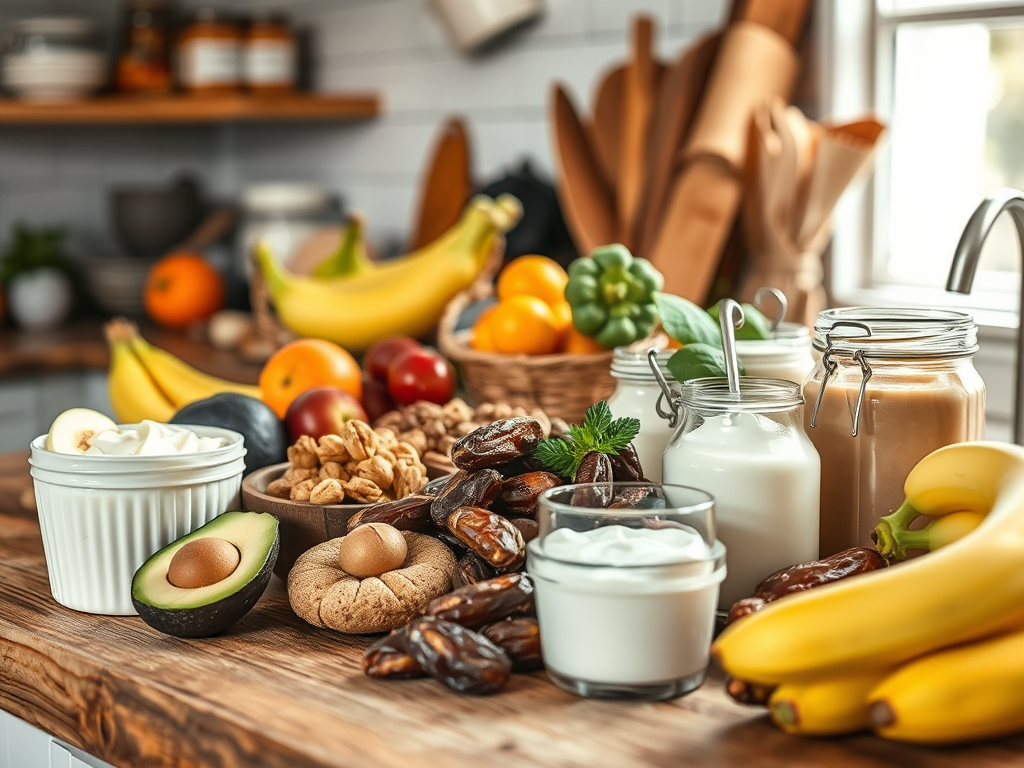
Focus on whole foods that are rich in both calories and nutrients. These include:
- Nut butters, avocado, coconut milk, seeds
- Dried fruit, dates, bananas, sweet potatoes
- Full-fat dairy (if tolerated), ghee, pasture-raised eggs
- Grass-fed meats, oily fish (salmon, sardines)
- Protein smoothies made with oats, nut butters, and greens
2. Eat More Frequently
Instead of three large meals, aim for five to six smaller meals throughout the day. Don’t wait until you’re starving—fuel your body consistently, especially after activity.
3. Lift Weights to Build Muscle
Resistance training stimulates muscle growth and helps ensure that weight gained is muscle, not just fat. Follow workouts with a protein-carb combo snack within 30–45 minutes.
4. Boost Liquid Calories
Smoothies, shakes, broths, and lattes can help you add calories without overwhelming your stomach. A well-balanced smoothie with banana, oats, almond butter, and protein powder can pack 500+ calories in one go.
5. Reduce Gut Stress
If you’re bloated, gassy, or dealing with inconsistent digestion, it’s hard to absorb nutrients—no matter how much you eat. Work with a holistic nutritionist to support your gut lining, eliminate hidden intolerances, and promote healthy microbiome balance.
6. Support Hormonal Health
Being underweight can lead to low estrogen, testosterone, or cortisol dysregulation. This affects everything from mood and sleep to appetite and metabolism. A healthy weight supports hormonal balance—and vice versa.
7. Explore the Emotional Side
If you’ve struggled with appetite, body image, or food trauma, emotional healing is just as important as meal planning. A holistic approach addresses both the body and the mind with gentleness.
What Not to Do When Trying to Gain Weight
- Don’t load up on processed junk food. It might help you gain weight—but not health.
- Don’t ignore persistent fatigue, anxiety, or gut issues—your body may be sending signals.
- Don’t compare your journey to others. Your body’s needs are beautifully unique.
When to Seek Support
If you’ve been underweight for more than 3–6 months, or you’re losing weight without trying, it’s time to consult a professional. You may need lab work, digestive testing, or an in-depth nutritional assessment to understand the full picture.
In Summary
Healthy weight gain is about more than food. It’s about restoring balance, rebuilding strength, and embracing the body you’re meant to thrive in.
This is a deeply personal journey—and it’s one that deserves the same attention, empathy, and celebration as any weight loss story. You are not alone, and you don’t have to figure it out on your own.
Whether you’ve been struggling in silence or you’re just beginning to explore what’s possible, know this:
You deserve to feel nourished, strong, and at home in your body.
DISCLAIMER: I am not a doctor, pharmacist, or licensed health professional. Any recommendations or insights shared on this platform are based on personal research and experience and should not be taken as medical advice. Never disregard professional medical advice or delay in seeking it because of something you have read here. Use of this information is at your own risk.




 LGR Holistic Wellness
Leave a comment