Disclaimer
The content provided by LGR Holistic Wellness is for informational and educational purposes only and is not intended as a substitute for professional medical advice, diagnosis, or treatment. Always seek the advice of your physician, pharmacist, or other qualified health provider with any questions you may have regarding a medical condition, supplement, or treatment plan. Use of this information is at your own risk.
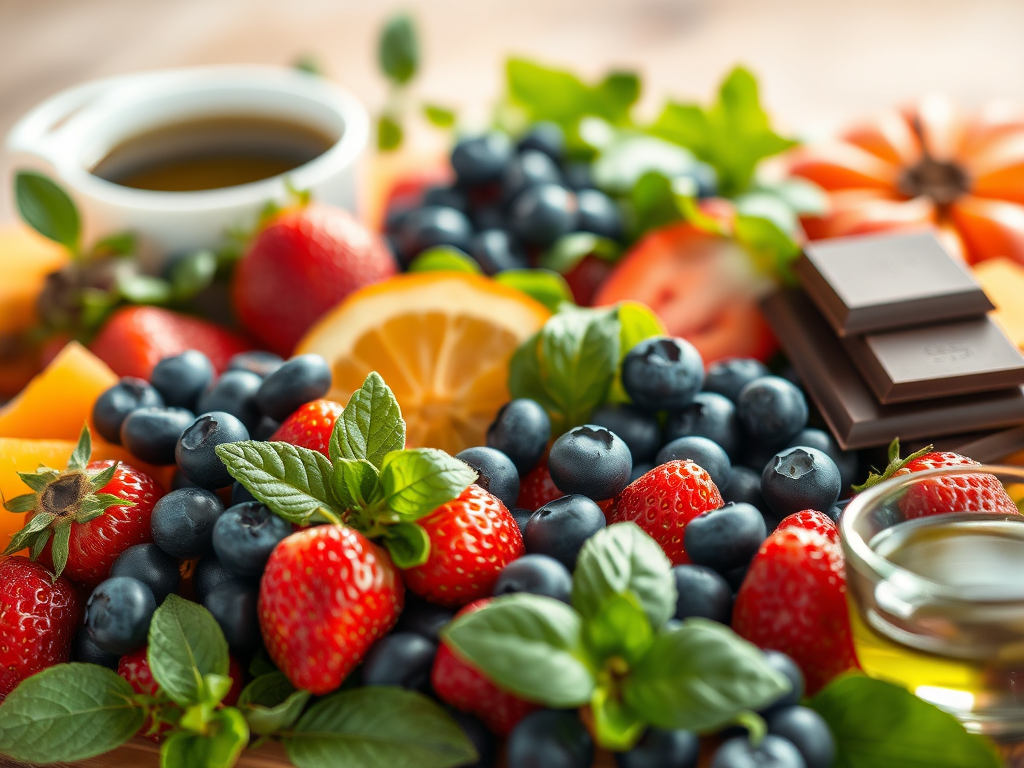
Antioxidants are often hailed as superheroes in the world of holistic health, and for good reason. These compounds have the remarkable ability to protect our bodies from harmful free radicals, unstable molecules that can cause damage to our cells and DNA. By neutralizing these free radicals, antioxidants help reduce the risk of chronic diseases, boost our immune system, and promote overall well-being. From colorful fruits and vegetables to green tea and dark chocolate, there’s a wide array of delicious antioxidant-rich foods that can support our holistic health journey. So, grab a blueberry smoothie and let’s explore the fascinating role antioxidants play in keeping us healthy and vibrant.
The Importance of Antioxidants in Holistic Health
Holistic health emphasizes the importance of addressing the whole person – mind, body, and spirit – to achieve optimal well-being. And at the core of holistic health is the role that antioxidants play in promoting overall wellness. Antioxidants are compounds that help protect our body against the damaging effects of free radicals, which are unstable molecules that can cause harm to our cells and contribute to various diseases. By understanding antioxidants and how they combat oxidative stress, we can begin to appreciate their immense value in supporting our health.
Understanding Antioxidants
Antioxidants are substances that prevent or slow down the oxidation process, which occurs when molecules in our body lose electrons and become unstable. Oxidation is a natural process that happens as a result of our metabolism and exposure to environmental factors such as pollution and UV radiation. However, when there is an imbalance between the production of free radicals and the body’s antioxidant defenses, a state known as oxidative stress occurs. This imbalance can lead to cellular damage and the development of various health issues.
The Free Radical Theory
The free radical theory of aging posits that the accumulation of oxidative damage caused by free radicals is a major contributor to aging and age-related diseases. Free radicals can damage our DNA, proteins, and cell membranes, leading to chronic inflammation and an increased risk of diseases such as cancer, heart disease, and neurodegenerative disorders. However, antioxidants have the remarkable ability to neutralize these free radicals, thereby reducing the risk of such diseases and promoting longevity.
How Antioxidants Combat Oxidative Stress
Antioxidants combat oxidative stress by donating electrons to stabilize free radicals and prevent them from causing further damage. They neutralize free radicals by sacrificing their own electrons, effectively breaking the destructive chain reaction. Antioxidants also work synergistically with other antioxidants, regenerating each other and enhancing their protective effects. Moreover, they activate certain enzymes that help remove toxins and waste products from our cells, further supporting our body’s detoxification processes. By combating oxidative stress, antioxidants reinforce our body’s natural defense mechanisms and promote optimal health.
Antioxidants and Disease Prevention
Reducing the Risk of Chronic Diseases
Chronic diseases, such as heart disease, diabetes, and cancer, are major causes of morbidity and mortality worldwide. Fortunately, the consumption of antioxidants has been strongly linked to a reduced risk of developing these diseases. Antioxidants, particularly those found in fruits and vegetables, help protect our cells from damage and inflammation, which are key contributors to chronic diseases. Incorporating a wide variety of antioxidant-rich foods into your diet can significantly lower your risk of developing these life-threatening conditions.
Protecting Against Age-Related Macular Degeneration
Age-related macular degeneration (AMD) is the leading cause of vision loss in older adults. This condition affects the macula, a small portion of the retina responsible for central vision. Oxidative stress and inflammation play a significant role in the development and progression of AMD. However, studies have shown that antioxidants, such as vitamins C and E, beta-carotene, and zinc, can help protect against AMD by reducing oxidative damage to the macula. By incorporating foods and supplements rich in these antioxidants, you can support the health of your eyes and preserve your vision as you age.
Supporting Cardiovascular Health
Heart disease remains one of the leading causes of death globally. The development of heart disease is often linked to risk factors such as high blood pressure, high cholesterol levels, and oxidative stress. Antioxidants found in fruits, vegetables, and whole grains can help combat these risk factors by reducing inflammation, maintaining healthy blood vessels, and preventing the oxidation of cholesterol. Including foods rich in antioxidants, such as berries, leafy greens, and nuts, can support your cardiovascular health and lower your risk of heart disease.
Promoting Mental Well-being with Antioxidants
Improving Cognitive Function
As we age, cognitive decline becomes a concern for many individuals. However, the consumption of antioxidants can help support brain health and maintain cognitive function. Antioxidants protect the brain from oxidative stress, which is believed to contribute to neurodegenerative diseases such as Alzheimer’s and Parkinson’s. Studies have shown that antioxidants, particularly flavonoids found in fruits and vegetables, can improve memory, attention, and overall cognitive performance. By incorporating antioxidant-rich foods into your diet, you can give your brain the necessary support to stay sharp and vibrant.
Managing Stress and Anxiety
In our fast-paced and demanding modern lifestyles, stress and anxiety have become prevalent issues that can significantly impact our well-being. Fortunately, antioxidants have been found to provide some relief from these mental health challenges. Chronic stress and anxiety can lead to an increase in free radicals and oxidative stress in the body, which can further exacerbate these conditions. However, antioxidants help neutralize the damaging effects of free radicals and reduce inflammation, promoting a calmer state of mind. By consuming antioxidant-rich foods and practicing stress management techniques, you can better manage stress and anxiety and improve your mental well-being.
Supporting Neurological Health
Maintaining optimal neurological health is essential for our overall well-being. Antioxidants play a crucial role in supporting the health of our nervous system and protecting against neurological diseases. Oxidative stress and inflammation contribute to the development and progression of conditions such as multiple sclerosis, stroke, and epilepsy. By neutralizing free radicals and reducing inflammation, antioxidants can help preserve the integrity of our neurons and support healthy brain function. Including antioxidant-rich foods in your diet, such as fatty fish, walnuts, and turmeric, can provide the necessary nutrients to support your neurological health.
The Anti-Aging Benefits of Antioxidants
Preventing Premature Aging
Aging is a natural process that occurs as we grow older, but premature aging can be accelerated by various factors, including oxidative stress. The accumulation of oxidative damage in our cells leads to visible signs of aging, such as wrinkles, fine lines, and loss of elasticity in the skin. Antioxidants protect our skin by neutralizing free radicals, reducing inflammation, and promoting the production of collagen and elastin, which are essential proteins for maintaining youthful-looking skin. By incorporating antioxidant-rich foods and using skincare products containing antioxidants, you can slow down the aging process and maintain a youthful appearance.
Maintaining Youthful Skin
The health and appearance of our skin are influenced by several factors, including aging, environmental exposures, and lifestyle choices. Antioxidants play a crucial role in maintaining youthful skin by protecting it from various forms of damage. For instance, vitamins C and E, along with other antioxidants, help shield the skin from UV radiation, pollution, and other harmful environmental stressors. Moreover, antioxidants promote cellular repair and regeneration, helping to improve skin texture and tone. By nourishing your skin with antioxidant-rich foods and using skincare products that contain antioxidants, you can enhance the health and vitality of your skin.
Supporting Hair and Nail Health
While much attention is often given to skincare, the health of our hair and nails should not be overlooked. Antioxidants play a vital role in supporting the strength and appearance of our hair and nails. Oxidative stress can lead to hair loss, brittle nails, and other issues. By neutralizing free radicals and reducing inflammation, antioxidants can help promote healthy hair growth, prevent hair breakage, and strengthen nails. Including antioxidant-rich foods, such as avocados, nuts, and seeds, in your diet can provide the necessary nutrients to support the health of your hair and nails.
Enhancing Immune Function with Antioxidants
Boosting the Immune System
A robust immune system is essential for defending our body against harmful pathogens and maintaining our overall health. Antioxidants play a critical role in bolstering our immune function by protecting immune cells from oxidative damage and regulating immune responses. Additionally, antioxidants help promote the production of antibodies and enhance the activity of immune cells, such as natural killer cells and T cells. By incorporating antioxidant-rich foods, such as citrus fruits, berries, and garlic, into your diet, you can fortify your immune system and better defend against infections.
Reducing Inflammation
Inflammation is a necessary response of our immune system to fight off infections and repair damaged tissues. However, chronic inflammation can have detrimental effects on our health and contribute to the development of various conditions, including autoimmune disorders and chronic diseases. Antioxidants have anti-inflammatory properties and can help reduce the production of pro-inflammatory molecules in the body. By reducing inflammation, antioxidants support the healthy functioning of our immune system and decrease the risk of chronic diseases.
Supporting the Body’s Defense System
Our body’s defense system encompasses various mechanisms that protect us from harmful substances and toxins. Antioxidants play a crucial role in supporting these defense systems by neutralizing toxins and enhancing our body’s natural detoxification processes. They help in the breakdown and elimination of toxins, preventing them from causing oxidative damage to our cells and organs. Additionally, antioxidants activate certain enzymes involved in detoxification, such as glutathione peroxidase and catalase. By incorporating antioxidant-rich foods, such as cruciferous vegetables, green tea, and turmeric, into your diet, you can promote the health and efficiency of your body’s defense system.
Antioxidants and Detoxification
Neutralizing Toxins
In our modern world, we are constantly exposed to toxins from various sources, including air pollution, chemicals in household products, and pesticides in our food. These toxins can accumulate in our body and contribute to oxidative stress and chronic diseases. Antioxidants help neutralize these toxins by binding to them and preventing them from causing harm to our cells and tissues. By including antioxidant-rich foods in your diet and engaging in lifestyle practices that reduce toxin exposure, you can support your body’s natural detoxification processes and minimize the negative effects of toxins.
Supporting Liver Health
Our liver is responsible for filtering toxins from our bloodstream and playing a crucial role in detoxification. Antioxidants, such as vitamins C and E, glutathione, and selenium, are essential for maintaining optimal liver health. They protect liver cells from oxidative damage, enhance liver function, and promote the synthesis of detoxifying enzymes. By consuming antioxidant-rich foods and adopting a healthy lifestyle that supports liver health, such as reducing alcohol intake and avoiding excessive exposure to environmental toxins, you can protect and enhance the function of your liver.
Enhancing the Body’s Natural Detoxification Process
Our body has its own built-in detoxification processes that work tirelessly to eliminate toxins and waste products. Antioxidants play a vital role in supporting and enhancing these natural detoxification pathways. They help promote the activity of enzymes involved in detoxification, such as cytochrome P450 enzymes and glutathione transferases. Antioxidants also aid in the removal of heavy metals and other harmful substances from our body. By providing our body with a rich supply of antioxidants through a balanced diet and healthy lifestyle choices, we can optimize our body’s natural detoxification process and maintain our overall health.
Antioxidants in Cancer Prevention
Inhibiting Tumor Growth
Cancer is a devastating disease characterized by the uncontrolled growth and spread of abnormal cells. Antioxidants have been found to possess anti-cancer properties and play a crucial role in preventing the development and progression of cancer. They help inhibit tumor growth by neutralizing free radicals and preventing DNA damage, which can lead to the formation of cancerous cells. Additionally, antioxidants have been shown to help activate certain genes involved in suppressing tumor growth and promoting apoptosis (cell death) of cancer cells. By consuming antioxidant-rich foods and adopting a healthy lifestyle, you can reduce your risk of developing cancer and support your body’s natural defense mechanisms against this disease.
Protecting Against DNA Damage
DNA damage is a key event in the initiation and progression of cancer. Antioxidants play a critical role in protecting our DNA from oxidative damage caused by free radicals. When free radicals attack our DNA, they can cause mutations and chromosomal abnormalities that contribute to the development of cancer. Antioxidants neutralize free radicals, preventing them from damaging our DNA and reducing the risk of cancer. By incorporating antioxidant-rich foods into your diet, you can provide your body with the necessary protection against DNA damage and lower your risk of cancer.
Enhancing the Effects of Cancer Treatment
Antioxidants can also enhance the effects of conventional cancer treatments, such as chemotherapy and radiation therapy. While these treatments aim to destroy cancer cells, they can also cause oxidative stress and damage healthy cells in the process. Antioxidants protect healthy cells from oxidative damage and minimize the side effects of cancer treatment. Additionally, antioxidants have been shown to enhance the effectiveness of chemotherapy and radiation therapy by sensitizing cancer cells to treatment and promoting their apoptosis. By incorporating antioxidant-rich foods and supplements, as recommended by your healthcare provider, you can support the success of your cancer treatment and improve your overall well-being.
Optimizing Digestive Health with Antioxidants
Reducing Inflammation in the Digestive Tract
Inflammation in the digestive tract can lead to various gastrointestinal conditions, including inflammatory bowel disease (IBD), irritable bowel syndrome (IBS), and gastroesophageal reflux disease (GERD). Antioxidants have powerful anti-inflammatory properties and can help reduce inflammation in the digestive tract. They can help alleviate symptoms such as abdominal pain, diarrhea, and bloating. Additionally, antioxidants protect the lining of the digestive tract from oxidative damage, promoting its integrity and reducing the risk of gastrointestinal disorders. Including antioxidant-rich foods, such as ginger, turmeric, and leafy greens, in your diet can support your digestive health and improve your overall well-being.
Promoting Healthy Gut Microbiota
A healthy gut microbiota is essential for optimal digestion, nutrient absorption, and overall well-being. Antioxidants play a significant role in supporting the health and diversity of our gut microbiota. They help create an environment that is beneficial for the growth of beneficial bacteria and inhibitory for harmful microorganisms. Antioxidants also help reduce oxidative stress within the gut, which can disrupt the balance of the gut microbiota. By consuming antioxidant-rich foods and incorporating probiotics into your diet, you can promote a healthy gut microbiota and support your digestive health.
Supporting Nutrient Absorption
Proper nutrient absorption is crucial for obtaining the necessary vitamins, minerals, and other essential nutrients from our diet. Antioxidants support nutrient absorption by protecting the cells lining the digestive tract from oxidative damage. Free radicals can damage the cells responsible for nutrient absorption, hindering their function and leading to nutrient deficiencies. By neutralizing free radicals, antioxidants help maintain the integrity of these cells and enhance nutrient absorption. Including antioxidant-rich foods, such as colorful fruits and vegetables, in your diet can optimize your body’s ability to absorb and utilize nutrients.
Antioxidants and Weight Management
Boosting Metabolism
Maintaining a healthy weight is important for overall well-being and the prevention of various diseases. Antioxidants can help support weight management by boosting metabolism. They help improve mitochondrial function, increase energy expenditure, and enhance fat oxidation. By promoting these metabolic processes, antioxidants can assist in weight loss and weight maintenance efforts. Additionally, antioxidants help reduce oxidative stress in adipose (fat) tissue, which is linked to obesity-related complications. By incorporating antioxidant-rich foods and engaging in regular physical activity, you can optimize your metabolism and support your weight management goals.
Reducing the Risk of Obesity-Related Diseases
Obesity is a significant risk factor for numerous health conditions, including type 2 diabetes, heart disease, and certain types of cancer. Antioxidants can help reduce the risk of these obesity-related diseases by neutralizing free radicals and reducing chronic inflammation. Additionally, antioxidants found in fruits and vegetables are often low in calories and rich in fiber, making them excellent choices for weight management. By including antioxidant-rich foods in your diet and maintaining a healthy weight, you can significantly reduce your risk of developing obesity-related diseases and support your long-term health.
Supporting Healthy Weight Loss
Losing weight in a healthy and sustainable manner requires more than just calorie restriction. Antioxidants can support healthy weight loss by providing essential nutrients, protecting against oxidative stress, and reducing inflammation. A diet rich in antioxidants can help nourish your body while promoting fat loss and preserving lean muscle mass. Moreover, antioxidants help combat the oxidative stress that can occur during weight loss, protecting against potential damage to your cells. By incorporating antioxidant-rich foods into your weight loss plan and adopting a holistic approach that includes regular exercise and stress management, you can achieve your weight loss goals while supporting your overall well-being.
Natural Food Sources of Antioxidants
Fruits and Vegetables
Fruits and vegetables are excellent sources of antioxidants, providing a wide range of vitamins, minerals, and phytochemicals that protect against oxidative stress. Berries, such as blueberries, strawberries, and raspberries, are particularly rich in antioxidants, including anthocyanins and vitamin C. Other antioxidant-packed fruits include citrus fruits, grapes, pomegranates, and kiwis. When it comes to vegetables, colorful options like spinach, kale, broccoli, bell peppers, and tomatoes are great choices. By incorporating a variety of fruits and vegetables into your diet, you can ensure a diverse and abundant supply of antioxidants.
Nuts and Seeds
Nuts and seeds are not only delicious and nutritious but also excellent sources of antioxidants. Almonds, walnuts, and pistachios are rich in vitamin E, a potent antioxidant that helps protect against oxidative stress. Additionally, nuts and seeds contain other antioxidants such as selenium, zinc, and phytochemicals like resveratrol and lignans. Chia seeds, flaxseeds, and hemp seeds are particularly high in antioxidants and also provide omega-3 fatty acids, fiber, and other beneficial nutrients. Including a handful of nuts or seeds in your diet as a snack or adding them to meals can provide a healthy dose of antioxidants to support your well-being.
Herbs and Spices
Herbs and spices not only add flavor and depth to your dishes but also offer a wealth of antioxidants. Turmeric, for example, contains the antioxidant compound curcumin, which has potent anti-inflammatory properties. Other antioxidant-rich herbs and spices include cinnamon, ginger, garlic, oregano, and rosemary. Including these herbs and spices in your cooking can not only enhance the taste but also provide a concentrated source of antioxidants. Additionally, herbal teas made from antioxidant-rich herbs such as green tea and chamomile can provide a soothing and nourishing way to incorporate antioxidants into your daily routine.
In Summary
Antioxidants play a vital role in promoting holistic health by combating oxidative stress, protecting against diseases, supporting mental well-being, promoting anti-aging benefits, enhancing immune function, aiding detoxification, reducing cancer risk, optimizing digestive health, supporting weight management, and providing essential nutrients. By incorporating antioxidant-rich foods into your diet and adopting a holistic approach to wellness, you can harness the power of antioxidants to support your overall well-being and lead a healthier, happier life. So, make it a priority to include a colorful array of fruits and vegetables, nuts and seeds, and exciting herbs and spices in your everyday meals, and reap the incredible benefits of antioxidants for your holistic health journey.
DISCLAIMER: I am not a doctor, pharmacist, or licensed health professional. Any recommendations or insights shared on this platform are based on personal research and experience and should not be taken as medical advice. Never disregard professional medical advice or delay in seeking it because of something you have read here. Use of this information is at your own risk.




 LGR Holistic Wellness
Leave a comment