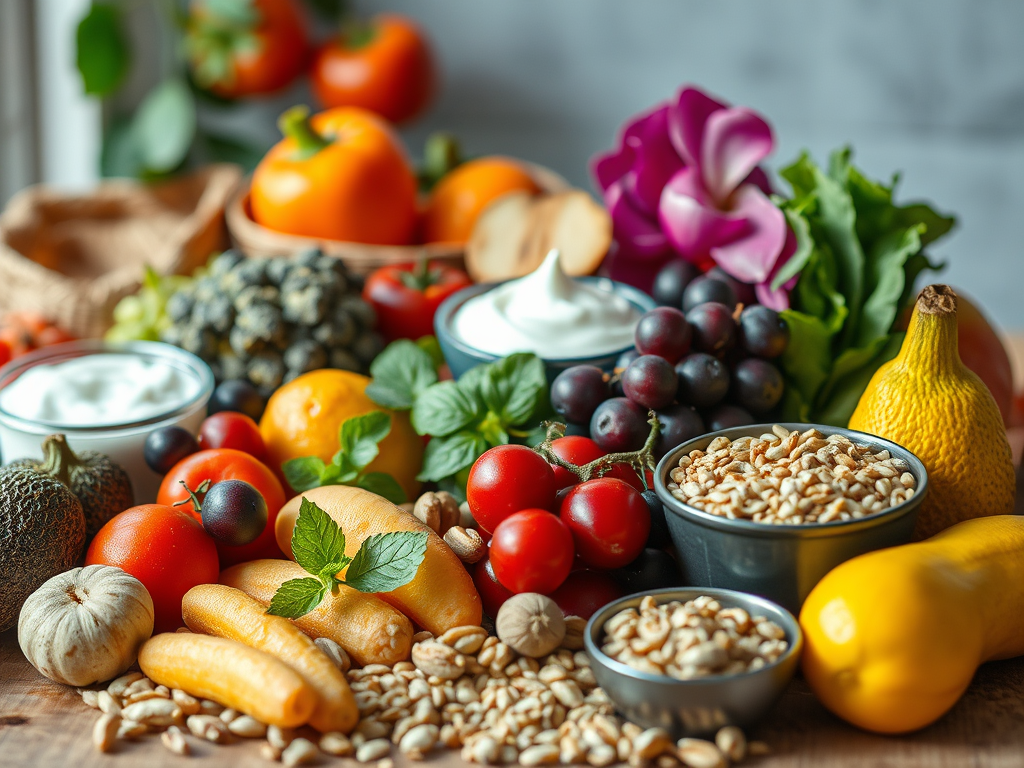
Let’s delve into the various ways in which our dietary choices impact not only our physical well-being but also our mental and emotional wellness. From nourishing our bodies with essential nutrients to maintaining a balanced diet, nutrition forms an integral part of the holistic approach to overall health and wellness.
Understanding Holistic Health
Overview
Holistic health is based on the principle of considering the whole person – mind, body, and spirit – to achieve optimal well-being. It emphasizes the interconnection between different aspects of our health and recognizes that even small imbalances in one area can affect the overall balance and harmony of the whole person.
Definition
Holistic health, also known as integrative or complementary medicine, focuses on a comprehensive approach to health that goes beyond just treating symptoms. It takes into account physical, mental, emotional, and spiritual aspects to promote overall wellness.
The Concept of Balance
One of the fundamental concepts of holistic health is the idea of balance. It recognizes the importance of balancing various aspects of our lives, including nutrition, to achieve optimal health and well-being. Just like a balanced diet is crucial for our physical health, maintaining balance in other areas, such as emotions, relationships, and work-life, is equally important for overall holistic wellness.
The Basics of Nutrition
Essential Nutrients
Nutrition forms the foundation of holistic health. Essential nutrients, such as carbohydrates, proteins, fats, vitamins, and minerals, play a vital role in maintaining optimal health. These nutrients provide the body with energy, support growth and repair, regulate bodily functions, and strengthen the immune system.
Food Groups
Understanding the different food groups is essential for achieving a balanced and nutritious diet. These food groups include fruits, vegetables, grains, proteins, and dairy or dairy alternatives. Each group offers unique nutritional benefits, and incorporating a variety of foods from each group ensures the body receives a wide range of nutrients.
Digestion and Absorption
The process of digestion and absorption allows our bodies to break down food into its fundamental components and absorb the nutrients for use. The digestive system plays a crucial role in extracting nutrients from the foods we consume and converting them into forms that the body can readily utilize for energy, growth, and repair.
The Link between Nutrition and Holistic Health
Nutrition’s Impact on Physical Health
Proper nutrition is key to maintaining and improving physical health. A well-balanced diet provides the body with the necessary nutrients to support growth, repair tissues, maintain organ function, and prevent nutritional deficiencies. Good nutrition also plays a significant role in weight management, promoting healthy body composition, and reducing the risk of chronic diseases such as heart disease, diabetes, and certain cancers.
Nutrition’s Influence on Mental Well-being
Nutrition not only affects the body but also has a profound impact on mental health. Research has shown a clear connection between dietary patterns and mental well-being, with certain nutrients being linked to a lower risk of depression, anxiety, and other mental disorders. Adequate intake of nutrients such as omega-3 fatty acids, B vitamins, antioxidants, and magnesium has been associated with improved mood, cognitive function, and overall mental well-being.
The Role of Nutrition in Emotional Balance
The food we eat can significantly influence our emotional state. Certain nutrients, such as tryptophan found in turkey and serotonin-rich foods like bananas or dark chocolate, can boost serotonin levels, a neurotransmitter responsible for feelings of happiness and well-being. Additionally, maintaining stable blood sugar levels through a balanced diet can prevent energy crashes and mood swings.
The Importance of a Balanced Diet
What Is a Balanced Diet?
A balanced diet consists of an appropriate combination of foods from each food group, providing all the essential nutrients required for optimal health. It emphasizes the importance of eating a variety of foods in moderation to ensure the body receives a wide range of nutrients.
Key Components of a Balanced Diet
A balanced diet includes a variety of fruits and vegetables, whole grains, lean proteins, healthy fats, and low-fat dairy or dairy alternatives. It limits the intake of added sugars, sodium, and saturated and trans fats. Hydration is also an essential part of a balanced diet, and it is recommended to consume an adequate amount of water throughout the day.
The Benefits of Eating a Balanced Diet
Eating a balanced diet has numerous benefits for holistic health. It supports optimal physical health and body functioning, aids in maintaining a healthy weight, and reduces the risk of chronic diseases. A balanced diet also ensures a steady supply of energy, improves mental clarity and focus, supports emotional well-being, and strengthens the immune system.
Nutritional Approaches for Holistic Health
Plant-Based Diet
A plant-based diet emphasizes the consumption of whole, minimally processed foods derived from plants. This approach includes a variety of fruits, vegetables, whole grains, legumes, nuts, and seeds while limiting or excluding animal products. Plant-based diets have been associated with lower rates of obesity, heart disease, and certain cancers. They offer ample fiber, vitamins, minerals, and antioxidants.
Organic and Locally Sourced Foods
Choosing organic and locally sourced foods can contribute to holistic health. Organic foods are grown without the use of synthetic pesticides, hormones, or genetically modified organisms (GMOs), reducing exposure to potentially harmful chemicals. Locally sourced foods are often fresher and have a lower carbon footprint since they require less transportation.
Incorporating Superfoods
Superfoods are nutrient-rich foods that offer exceptional health benefits. Examples include quinoa, kale, blueberries, chia seeds, and spirulina. These foods are packed with vitamins, minerals, antioxidants, and phytochemicals, promoting overall well-being and reducing the risk of chronic diseases.
The Role of Nutritional Supplements
Understanding Nutritional Deficiencies
Even with a balanced diet, nutritional deficiencies can occur due to various factors such as poor absorption, limited food choices, or specific health conditions. Nutritional supplements can help bridge these gaps and ensure the body receives adequate amounts of essential nutrients.
Choosing the Right Supplements
When considering nutritional supplements, it is important to consult with a healthcare professional who can assess individual needs and recommend appropriate supplements. Quality, potency, and safety should be prioritized when selecting supplements to ensure they meet intended nutritional goals.
Guidelines for Safe and Effective Use
To ensure safe and effective use of nutritional supplements, it is essential to follow dosage instructions, adhere to recommended serving sizes, and be aware of potential interactions with medications. Supplements should not replace a well-balanced diet but rather complement it to address specific nutritional needs.
Nutrition and Detoxification
The Body’s Detoxification Systems
The body has natural detoxification systems in place to eliminate toxins and waste products. The primary organs involved in detoxification are the liver, kidneys, digestive system, and skin. These organs work together to filter and eliminate harmful substances, promoting overall health and well-being.
Nutrition’s Contribution to Detoxification
Proper nutrition plays a crucial role in supporting the body’s natural detoxification processes. By providing essential nutrients, antioxidants, vitamins, and minerals, a healthy diet enhances the function of detox organs, aids in the elimination of toxins, and reduces the burden on these systems.
Detoxifying Foods and Beverages
Certain foods and beverages can support the body’s detoxification processes. Examples include cruciferous vegetables like broccoli and cabbage, garlic, turmeric, green tea, lemon water, and water-rich fruits such as watermelon. These foods can enhance the body’s ability to eliminate toxins and promote overall detoxification.
The Impact of Nutrition on Energy Levels
Carbohydrates for Energy
Carbohydrates are the primary source of energy for the body. They provide glucose, which is the preferred fuel for the brain and muscles. Choosing complex carbohydrates like whole grains, legumes, and vegetables ensures a steady and sustained release of energy throughout the day.
Proteins for Muscle Repair and Growth
Proteins play a crucial role in repairing and building tissues, including muscles. They are essential for the synthesis of enzymes, hormones, and antibodies. Consuming adequate amounts of high-quality proteins, such as lean meats, fish, dairy, legumes, and plant-based protein sources, supports muscle repair and growth, contributing to sustained energy levels.
Fats for Sustained Energy
Contrary to popular belief, fats are an essential part of a healthy diet and play a vital role in providing sustained energy. Healthy fats, such as those found in avocados, nuts, seeds, and olive oil, provide a concentrated source of energy, support nutrient absorption, and promote overall satiety and well-being.
Nutrition’s Role in Disease Prevention
Weight Management and Obesity Prevention
Proper nutrition plays a fundamental role in weight management and obesity prevention. By focusing on a balanced diet that emphasizes nutrient-dense foods, portion control, and mindful eating, individuals can maintain a healthy weight and reduce the risk of obesity-related health conditions.
Reducing the Risk of Chronic Diseases
Eating a nutrient-rich, well-balanced diet is associated with a reduced risk of chronic diseases such as heart disease, diabetes, and certain types of cancer. Nutrients like fiber, antioxidants, phytochemicals, and omega-3 fatty acids found in fruits, vegetables, whole grains, and lean proteins offer protective benefits against these diseases.
Boosting the Immune System
Proper nutrition is essential for a well-functioning immune system. Nutrients like vitamin C, vitamin D, zinc, and antioxidants support immune cell function, enhance immune response, and help defend against infections and diseases. A diet rich in fruits, vegetables, whole grains, and lean proteins can boost the immune system and reduce the risk of illness.
Mindful Eating for Holistic Health
Practicing Mindful Eating
Mindful eating involves paying attention to the present moment while eating, being fully aware of the sensory experiences, thoughts, and emotions related to the meal. It emphasizes listening to the body’s hunger and fullness cues, savoring each bite, and cultivating a positive relationship with food.
Benefits of Mindful Eating
Practicing mindful eating has numerous benefits for holistic health. It can help reduce overeating, emotional eating, and disordered eating patterns. Mindful eating promotes a healthier attitude towards food, enhances digestion and nutrient absorption, and improves overall satisfaction and enjoyment of meals.
Tips for Incorporating Mindful Eating
To incorporate mindful eating into your daily routine, start by slowing down during meals, eliminating distractions, and savoring each bite. Pay attention to your body’s hunger and fullness signals and choose foods that nourish both your body and mind. Engaging in mindful eating can be a transformative experience that contributes to holistic health.
Understanding the role of nutrition in holistic health is crucial for achieving overall well-being. By prioritizing a balanced diet, incorporating nutritional approaches, and practicing mindful eating, individuals can support physical health, mental well-being, emotional balance, and disease prevention, ultimately leading to a more holistic and fulfilling life.




 LGR Holistic Wellness
Leave a comment