Are you curious about the mysterious practice of acupuncture? If so, you’ve come to the right place! This article will explore how acupuncture works and the numerous benefits it offers. Whether you’re seeking pain relief, stress reduction, or overall wellness, acupuncture may hold the key to achieving optimal health. So, let’s unravel the secrets behind this ancient healing technique and discover how it can enhance your well-being.
Understanding Acupuncture
Acupuncture is a traditional Chinese medicine practice that has been used for thousands of years to promote healing and restore balance in the body. It involves the insertion of thin needles into specific points on the body known as acupuncture points. These points are believed to be connected to channels or meridians that correspond to different organs and systems in the body. By stimulating these points, acupuncture aims to promote the flow of energy, known as qi, and restore the body’s natural balance.
Definition of Acupuncture
Acupuncture is defined as a therapeutic technique that involves the insertion of needles into specific points on the body to alleviate pain, promote healing, and restore balance. This ancient practice originated in China and has since spread across the world, gaining recognition for its effectiveness in treating a wide range of conditions.
Historical Origins of Acupuncture
Acupuncture has a rich and fascinating history, dating back over 2,000 years. Its origins can be traced back to ancient China, where it was developed as a key component of traditional Chinese medicine (TCM). The early theories and concepts of acupuncture were documented in ancient texts such as the Huangdi Neijing, also known as the Yellow Emperor’s Inner Canon. Over time, acupuncture spread to other Asian countries and eventually made its way to the Western world, where it gained popularity as an alternative therapy.
Principles of Acupuncture
Acupuncture is based on several key principles that form the foundation of this holistic healing practice. One of the fundamental principles is the concept of qi (pronounced “chee”), which is the vital energy that flows through the body. According to TCM, qi flows through channels or meridians, and any disruption or blockage in the flow of qi can lead to illness or pain. By inserting needles into specific acupuncture points, acupuncturists aim to restore the balance of qi and restore health.
Another principle of acupuncture is the belief in the interconnectedness of the body, mind, and spirit. Traditional Chinese medicine views the body as a whole, and any imbalance in one area can affect the entire system. Acupuncture aims to address the root cause of a condition and restore balance to the entire body.
Overview of Acupuncture Techniques
Acupuncture techniques can vary depending on the practitioner’s training and experience, as well as the specific condition being treated. However, there are a few common techniques used in acupuncture:
- Traditional Chinese Acupuncture: This is the most commonly practiced form of acupuncture and involves the insertion of fine needles at specific acupuncture points along the meridians.
- Electroacupuncture: This technique involves the use of a small electric current applied to the acupuncture needles, which can enhance the stimulation and therapeutic effect.
Auricular Acupuncture: Also known as ear acupuncture, this technique involves the insertion of needles into specific points on the ear. It is often used for addiction treatment and pain management.
- Moxibustion: This technique involves the burning of dried mugwort (moxa) near the surface of the skin to warm and stimulate acupuncture points.
- Cupping: Cupping involves placing cups on the skin and creating a vacuum to stimulate circulation and relieve muscle tension.
Acupressure: Acupressure involves applying pressure to acupuncture points with the fingers or other tools instead of using needles.
The Process of Acupuncture
Understanding the process of acupuncture can help alleviate any concerns or uncertainties you may have before your first session.
Consultation and Diagnosis
The first step in the acupuncture process is a consultation with an acupuncturist. During this initial meeting, the acupuncturist will assess your overall health, medical history, and current symptoms or conditions. They may ask you questions about your lifestyle, diet, and emotional well-being to gain a comprehensive understanding of your health.
Choosing Acupuncture Points
Based on the consultation and diagnosis, the acupuncturist will determine which acupuncture points are most appropriate for your specific condition. These points are carefully selected to target the underlying imbalances in your body and restore harmony.
Insertion of Acupuncture Needles
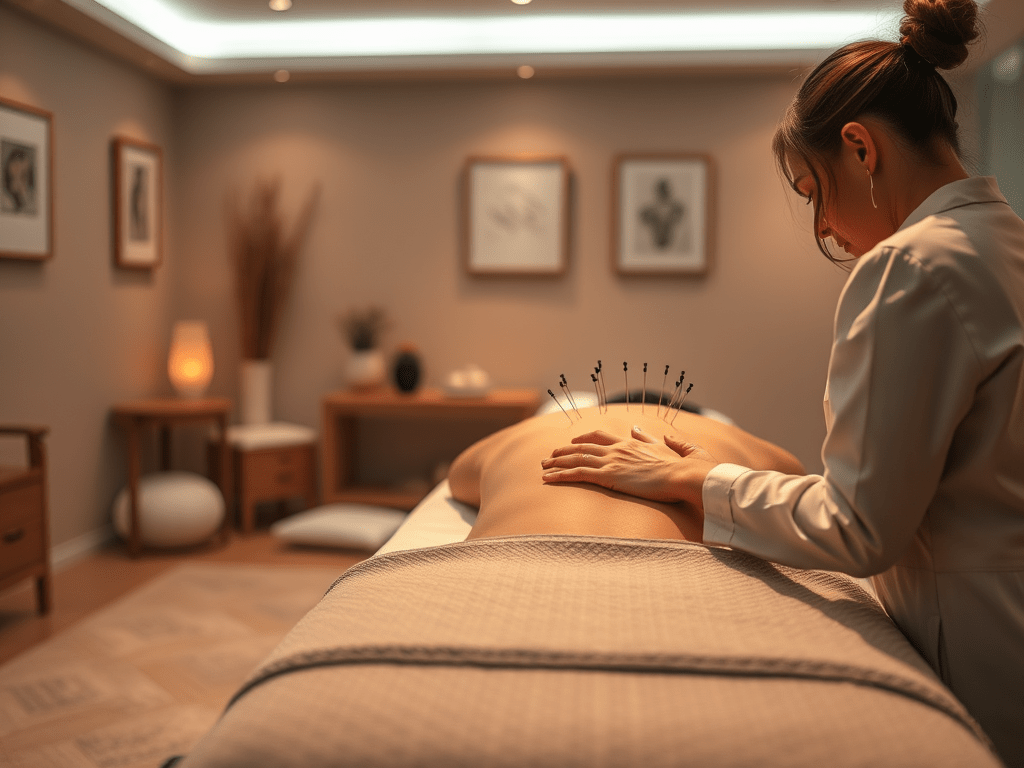
Once the acupuncture points are chosen, the acupuncturist will insert thin, sterile needles into the designated points on your body. The needles are typically left in place for a specific duration, ranging from a few minutes to up to 30 minutes.
Stimulation Techniques
To enhance the therapeutic effect of acupuncture, different stimulation techniques may be applied. These techniques can include gentle twisting or rotating the needles, applying manual pressure, or using electrical stimulation.
Duration of an Acupuncture Session
The duration of an acupuncture session can vary depending on the acupuncturist and the specific treatment plan. A typical session can last anywhere from 30 minutes to an hour. The number of sessions needed will depend on the severity and duration of your condition.
Mechanisms of Acupuncture
Acupuncture has been studied extensively to understand how it works and its effects on the body. While the traditional Chinese medicine perspective focuses on the flow of energy and balancing the body, modern scientific research has identified several mechanisms through which acupuncture exerts its therapeutic effects.
Traditional Chinese Medicine Perspective
Traditional Chinese medicine views acupuncture as a way to restore the flow of qi, removing blockages and imbalances in the body. By restoring the balance of yin and yang, acupuncture promotes health and vitality.
Modern Scientific Explanations
Modern scientific research suggests that acupuncture stimulates the nervous system, triggers the release of various substances, and promotes the body’s natural healing abilities. Some of the scientifically recognized mechanisms of acupuncture include:
Effects on Neural Pathways
The insertion of acupuncture needles stimulates sensory nerves under the skin, which sends signals to the brain and spinal cord. This stimulation can help regulate pain signals, modulate the autonomic nervous system, and promote overall well-being.
Stimulating Endorphin Release
Acupuncture has been found to stimulate the release of endorphins, which are the body’s natural pain relievers. Endorphins can help reduce pain, promote relaxation, and enhance mood.
Regulating Neurotransmitters
Acupuncture has been found to modulate various neurotransmitters in the brain, including serotonin, dopamine, and gamma-aminobutyric acid (GABA). These neurotransmitters play a role in pain perception, mood regulation, and overall well-being.
Improving Blood Circulation
Acupuncture has been shown to enhance blood circulation in the body, which can help promote healing, reduce inflammation, and improve organ function.
Conditions Treated by Acupuncture
Acupuncture has been used to treat a wide range of conditions and has shown promising results in both acute and chronic conditions. Some of the conditions commonly treated by acupuncture include:
Pain Management
Acupuncture is widely recognized for its effectiveness in managing pain, whether it’s acute or chronic. It has been used to alleviate musculoskeletal pain, postoperative pain, migraines, and various chronic pain conditions.
Stress and Anxiety Reduction
Acupuncture can help promote relaxation, reduce stress, and alleviate symptoms of anxiety. It is often used as a complementary therapy for mental health conditions and has shown promising results in reducing symptoms of depression and anxiety disorders.
Musculoskeletal Disorders
Acupuncture has been found to be beneficial in treating musculoskeletal conditions such as arthritis, back pain, neck pain, and sports injuries. It can help reduce pain, inflammation, and improve mobility.
Headaches and Migraines
Acupuncture has shown promising results in relieving headaches and migraines. It can help reduce the frequency, severity, and duration of headaches and improve overall headache-related symptoms.
Digestive Disorders
Acupuncture has been used to alleviate symptoms of various digestive disorders such as irritable bowel syndrome (IBS), acid reflux, and inflammatory bowel disease. It can help regulate digestion, reduce inflammation, and improve gut health.
Gynecological Issues
Acupuncture has been found to be beneficial in addressing gynecological issues such as menstrual cramps, premenstrual syndrome (PMS), and menopausal symptoms. It can help regulate hormonal imbalances, reduce pain, and improve overall reproductive health.
Respiratory Conditions
Acupuncture has shown promising results in alleviating symptoms of respiratory conditions such as allergies, asthma, and sinusitis. It can help improve lung function, reduce inflammation, and enhance the body’s immune response.
Sleep Disorders
Acupuncture has been used to improve sleep quality and alleviate symptoms of insomnia and other sleep disorders. It can help relax the body, regulate sleep patterns, and improve overall sleep hygiene.
Addictions and Substance Abuse
Acupuncture has been used as a complementary therapy for individuals dealing with addiction and substance abuse. It can help reduce cravings, alleviate withdrawal symptoms, and support overall addiction recovery.
Fertility and Reproductive Health
Acupuncture has been found to be beneficial in supporting fertility and improving reproductive health. It can help regulate menstrual cycles, enhance blood flow to the reproductive organs, and reduce stress related to fertility treatments.
Benefits of Acupuncture
Acupuncture offers numerous benefits as a safe and natural treatment option. Some of the key advantages of acupuncture include:
Safe and Natural Treatment Option
Acupuncture is a non-invasive and drug-free treatment option that carries minimal risks or side effects when performed by a qualified practitioner. It focuses on promoting the body’s natural healing abilities without relying on medications or invasive procedures.
Effective Pain Relief
Numerous studies have shown the effectiveness of acupuncture in relieving pain, whether it’s acute or chronic. It can help reduce pain intensity, improve functionality, and enhance overall quality of life.
Reduced Dependency on Medications
Acupuncture can be used as an alternative or complementary therapy to reduce reliance on medications for pain management or other chronic conditions. It offers a non-pharmacological approach to healing and can help individuals reduce their dependency on medications.
Enhanced Well-being and Relaxation
Acupuncture is known for its relaxing effects on the body and mind. Many individuals report feelings of relaxation, calmness, and improved overall well-being after an acupuncture session.
Addressing the Root Cause
Acupuncture takes into account the holistic nature of the body and aims to address the root cause of a condition rather than just focusing on the symptoms. By addressing the underlying imbalances, acupuncture can provide long-term relief and improved health outcomes.
Complementary Treatment with other Therapies
Acupuncture can be used as a complementary therapy alongside conventional medical treatments to enhance their effectiveness and reduce side effects. It integrates well with other treatment modalities and can provide a more comprehensive approach to healing.
Minimal Side Effects
Acupuncture is generally safe when performed by a qualified practitioner. The most common side effects are minor and include temporary soreness at the needle insertion site or slight bruising.
Individualized Approach
One of the strengths of acupuncture is its individualized approach to treatment. Each person is unique, and acupuncture treatments are tailored to address their specific needs and conditions. This personalized approach can lead to better treatment outcomes and improved patient satisfaction.
Regulation of Body’s Energy Flow
Acupuncture aims to regulate the flow of qi and restore the balance of energy in the body. By removing blockages and promoting a harmonious flow of qi, acupuncture can support overall health and well-being.
Improved Quality of Life
By addressing physical, emotional, and mental imbalances, acupuncture can significantly improve an individual’s quality of life. Whether it’s reducing pain, alleviating stress, or improving sleep, acupuncture can help individuals lead healthier, happier lives.
Acupuncture and Modern Medicine
The integration of acupuncture into conventional healthcare is gaining recognition and acceptance. Many healthcare systems and medical professionals are now acknowledging the benefits and effectiveness of acupuncture in treating a wide range of conditions.
Integration into Conventional Healthcare
Acupuncture is increasingly being integrated into conventional healthcare settings, such as hospitals, clinics, and rehabilitation centers. This integration allows for a more comprehensive approach to patient care, combining the best of both traditional and modern medicine.
Recognition by World Health Organization
The World Health Organization (WHO) recognizes the effectiveness of acupuncture in treating various conditions. It has published a list of conditions for which acupuncture has shown therapeutic benefits, including pain management, digestive disorders, respiratory conditions, and more.
Clinical Evidence and Research Studies
Numerous clinical trials and research studies have been conducted to evaluate the efficacy and safety of acupuncture. These studies have provided scientific evidence supporting the use of acupuncture for various conditions, further validating its role in modern medicine.
Combining Acupuncture with Western Medicine
Acupuncture can be used in conjunction with Western medical treatments to enhance the effectiveness of conventional therapies. This collaboration between acupuncture and medical professionals can lead to better patient outcomes and improved overall health.
Collaboration between Acupuncturists and Medical Professionals
Many healthcare systems are now encouraging collaboration between acupuncturists and medical professionals to provide comprehensive care to patients. This collaboration allows for a more holistic approach, combining the skills and expertise of different healthcare providers for the benefit of the patient.
Choosing an Acupuncturist
When choosing an acupuncturist, it’s essential to consider certain factors to ensure a safe and effective treatment experience.
Qualifications and Credentials
Ensure that the acupuncturist you choose is licensed and certified in acupuncture. They should have completed extensive training and education in traditional Chinese medicine and acupuncture.
Experience and Specializations
Consider the acupuncturist’s experience and any specializations they may have. Some acupuncturists specialize in certain conditions or age groups, such as pediatrics or fertility. It can be beneficial to find an acupuncturist who has experience treating conditions similar to yours.
Referrals and Recommendations
Ask for referrals from friends, family, or healthcare professionals who have had positive experiences with acupuncture. Personal recommendations can provide valuable insights and help you find a trusted and reputable acupuncturist.
Safety Precautions and Cleanliness
Ensure that the acupuncturist follows strict safety protocols and practices proper cleanliness and hygiene. They should use sterile needles and dispose of them properly after each use. The treatment room should be clean, comfortable, and well-maintained.
Comfort and Communication
Choose an acupuncturist with whom you feel comfortable and can communicate openly. They should listen to your concerns, answer your questions, and explain the treatment process in a clear and understandable manner.
Preparing for an Acupuncture Session
To ensure a smooth and effective acupuncture session, it’s important to prepare yourself beforehand.
Consultation and Medical History
Be prepared to provide detailed information about your medical history, current medications, and any existing health conditions. This will help the acupuncturist develop an appropriate treatment plan tailored to your specific needs.
Avoiding Certain Foods and Beverages
In some cases, it may be recommended to avoid certain foods or beverages before an acupuncture session, particularly if you have a sensitive stomach. Your acupuncturist will provide guidance on any dietary restrictions or recommendations.
Clothing Choices
Wear loose, comfortable clothing that allows easy access to the acupuncture points on your body. Tight or restrictive clothing may hinder the acupuncturist’s ability to insert the needles effectively.
Arriving Early and Being Relaxed
Arrive at your appointment a few minutes early to allow for check-in and to settle in before the session. Try to relax and clear your mind before the treatment to enhance its effectiveness.
Clarifying Expectations and Concerns
Take the time to discuss your expectations, concerns, and any questions you may have with the acupuncturist. Open communication ensures that you have a clear understanding of the treatment process and can address any specific concerns or goals you may have.
What to Expect during an Acupuncture Session
Knowing what to expect during an acupuncture session can help you feel more at ease and fully benefit from the treatment.
Welcoming and Calm Environment
Acupuncture sessions typically take place in a quiet, soothing environment to enhance relaxation and promote a sense of calm. The treatment room may be dimly lit with soft music playing to create a peaceful atmosphere.
Discussion of Treatment Plan
Before the session begins, the acupuncturist will discuss the treatment plan based on your specific needs and conditions. They will explain which acupuncture points will be targeted and the expected duration of the session.
Comfortable Positioning
You will be asked to lie down on a treatment table or sit in a comfortable chair during the acupuncture session. Make sure you are in a position that allows you to relax fully and be at ease.
Acupuncture Needle Sensation
As the acupuncturist inserts the needles, you may feel a slight sensation that can vary from person to person. Some people describe a feeling of a tiny pinch, while others may feel a dull ache or tingling sensation. Rest assured that any discomfort is typically mild and temporary.
Monitoring Vital Signs
The acupuncturist may periodically check your vital signs, such as your pulse and blood pressure, during the session to monitor your body’s response to the treatment.
Possible Reactions during and after the Session
It’s common to experience some reactions during or after the acupuncture session. These can include feelings of deep relaxation, improved sleep, or an increase in energy levels. Occasionally, you may have temporary soreness at the needle insertion sites, slight bruising, or mild dizziness. These reactions are usually mild and temporary.
In Summary
Acupuncture is a comprehensive and holistic approach to health and well-being that has stood the test of time. Its rich history, combined with modern scientific research, supports its effectiveness in treating a wide range of conditions. By understanding the principles, mechanisms, and benefits of acupuncture, you can make informed decisions about incorporating this ancient practice into your healthcare routine. When selecting an acupuncturist, consider their qualifications, experience, and safety precautions. By preparing for your acupuncture session and knowing what to expect, you can fully embrace the healing effects of this ancient practice and embark on a journey towards improved health and well-being.






 LGR Holistic Wellness
Leave a comment