Everyone knows there’s a connection between nutritional deficiencies and physical illnesses, but not all are aware of how vitamins and minerals also affect mental health. Most people think of mental health as being only an emotional or hormonal problem, rather than a possible vitamin or mineral deficiency.
Studies have shown that nutritional intervention can help reduce risks of developing certain mental illnesses, prevent their progression, and treat psychiatric disorders. Certain nutrients can have a positive impact on neurochemical activities that are crucial for mental health.
If you constantly experience bad moods, poor comprehension, or anxiety, you may be deficient in some of the most important vitamins and minerals for mental health.
Here are a few of the key vitamins and minerals that may prove beneficial.
Omega-3 Fatty Acids
Omega-3 fatty acids help maintain brain structure and function. Our body can’t produce essential fatty acids (EFAs), so we need to get them from our diet. Unfortunately, many people don’t consume enough beneficial fat due to an unbalanced diet, which is why taking supplements is often necessary.
Aside from helping our brain to function properly, omega-3 fatty acids have been shown to improve the symptoms of anxiety, depression, bipolar depression, and post-traumatic stress disorder (PTSD).
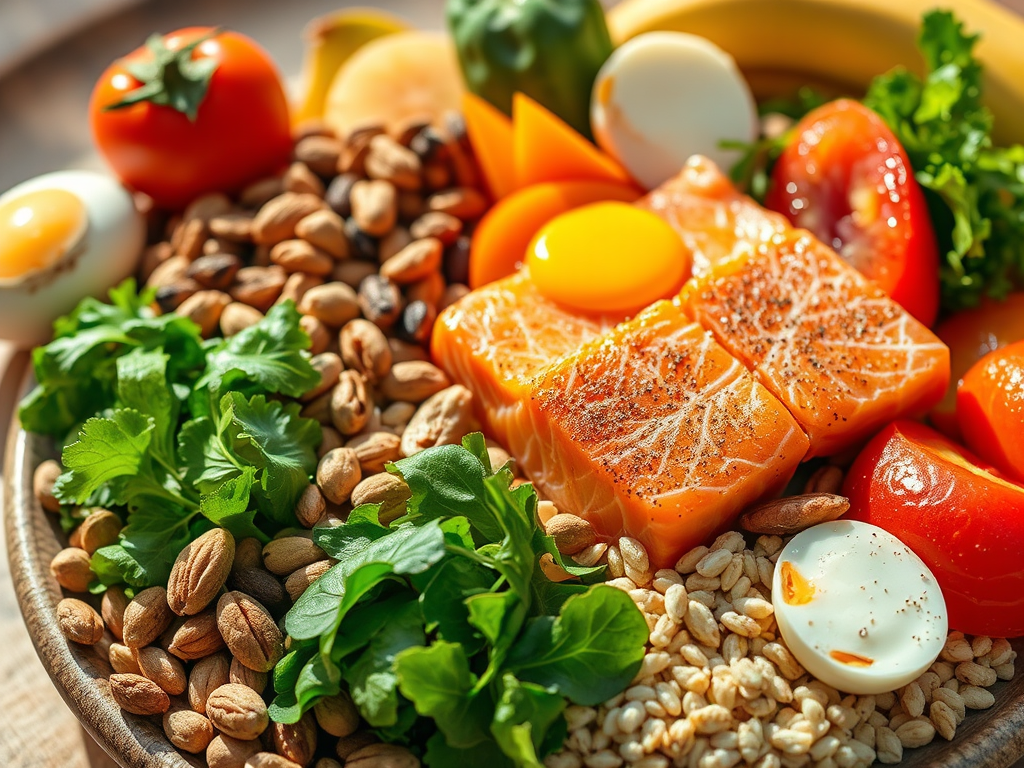
Sardines, salmon, and mackerel are the foods that have the highest content of omega-3s. Other sources include nuts, seeds, and oysters.
B Vitamins
B vitamins are essential for various cellular and metabolic processes in our body. When it comes to mental health, B vitamins have been found to play a crucial role in producing brain chemicals. Folic acid, for example, has an antidepressant effect, which helps patients respond better to medications. Vitamin B12, niacin, and thiamin, meanwhile, are essential for treating cognitive impairment, as well as in alleviating the effects of alcohol abuse, depression, and schizophrenia.
To help maintain a healthy mental state, eat foods that are rich in B vitamins, such as meat, eggs, whole grains, and nuts. If you need supplements, taking B-complex vitamins is ideal because B vitamins work well together.
Vitamin D
Soaking in the sunlight for 15 minutes a day does not only contribute to our bone development, it also assists brain development. When you have a vitamin D deficiency, you are at a higher risk of developing schizophrenia, anxiety, and depression. Getting the vitamin D you need can boost and improve your mood.
People who spend most of their day indoors, and who wear clothes that cover their skin when outdoors, are most likely not getting enough sunshine and their healthy dose of vitamin D. Aside from taking up to 2,000 IU of vitamin D supplements, you can get this essential nutrient from foods, such as oily fish, eggs, cheese, and mushrooms.
Magnesium
If you feel anxious or depressed, it can be due to a lack of magnesium, which is essential for many brain chemistry reactions. Magnesium helps maintain your nerves, as well as your muscles, immune system, and blood glucose levels.
When you can’t stop your anxious thoughts, try incorporating magnesium-rich foods into your diet. These include dark chocolate, avocado, banana, almonds, and whole grains.
Potassium
Have you ever heard that if you want to be happy, eat a banana? It’s because bananas are rich in potassium, and potassium is an important mineral for maintaining signals that help your brain to function properly. Low levels of this essential mineral can lead to mental fatigue, memory issues, anxiety, and depression. To some extent, a potassium deficiency can also increase your risk of developing schizophrenia.
Eat more fruits and vegetables, such as oranges, cantaloupes, apricots, grapefruits, soybeans, lentils, and nuts, to ensure that you get the potassium your body requires.
In Summary
Poor mental health is not solely an emotional issue. It also stems from poor nutrition and unbalanced diets. While taking supplements should not be used as the only treatment for psychiatric disorders, ensuring that you get enough essential vitamins and minerals for mental health is a crucial component of recovery. They can improve your mood, but more importantly, they contribute to good overall health and well-being.




 LGR Holistic Wellness
Leave a comment