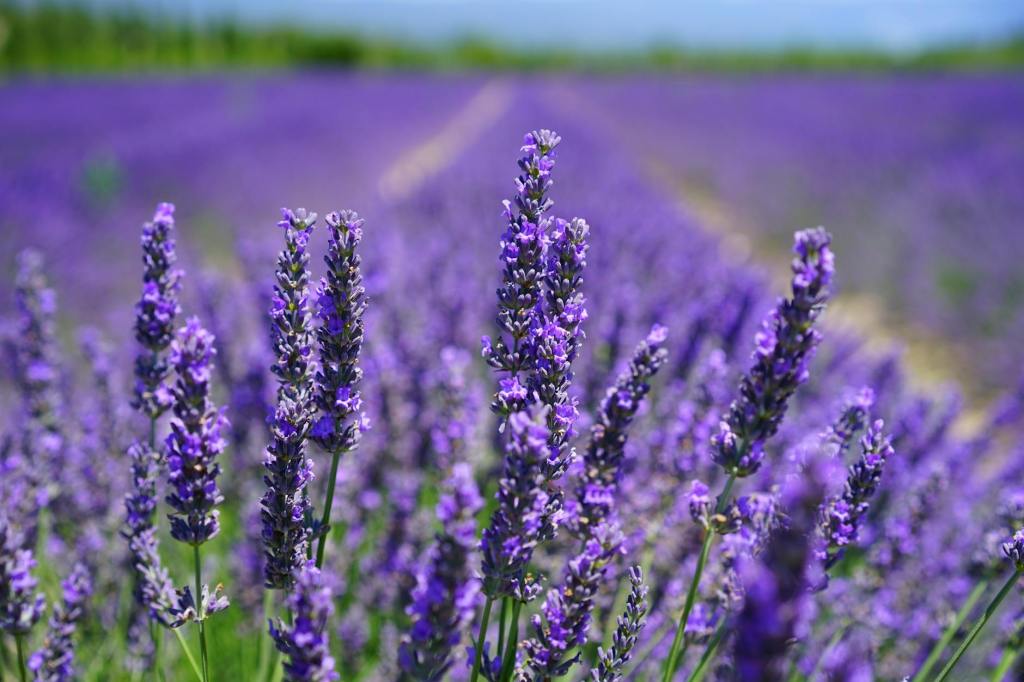
In the world of beauty and skincare, herbs serve as valuable allies on your quest for radiant and healthy skin. With their natural properties and countless benefits, herbs play a crucial role in enhancing your overall beauty routine. They can help nourish and rejuvenate your skin, soothe and heal various skin conditions, and provide a gentle yet effective alternative to harsh chemicals found in many cosmetic products. So, whether you choose to incorporate herbs into your skincare regimen through DIY recipes or seek out products that harness the power of these natural wonders, you can certainly rely on their potent abilities to help you achieve the glowing complexion you desire.
The Benefits of Using Herbs in Beauty and Skincare
When it comes to beauty and skincare, natural ingredients have been gaining popularity for their various benefits. Among these natural ingredients, herbs hold a special place due to their nourishing, soothing, and rejuvenating properties. Incorporating herbs into your beauty routine can provide a range of benefits for your skin, from nourishing and hydrating to treating acne and blemishes. In this article, we will explore the different ways herbs can benefit your skin and how you can incorporate them into your skincare routine.
Herbs for Nourishing and Hydrating the Skin
Herbs are packed with essential nutrients and compounds that can nourish and hydrate the skin. Some herbs, such as Aloe Vera and Rosehip, are known for their moisturizing properties. Aloe Vera, for example, contains a gel-like substance that helps lock in moisture and soothe dry and irritated skin. Rosehip, on the other hand, is rich in vitamins and fatty acids that nourish and hydrate the skin, leaving it soft and supple.
Herbs for Treating Acne and Blemishes
Acne and blemishes can be a common skincare concern for many people, regardless of age. Luckily, herbs can offer effective solutions for tackling these issues. Lavender and Chamomile are two herbs well known for their anti-inflammatory and antibacterial properties. Lavender can help calm inflamed skin and reduce the appearance of blemishes, while Chamomile can soothe irritated skin and reduce redness. By incorporating these herbs into your skincare routine, you can effectively combat acne and achieve a clearer complexion.
Herbs for Brightening and Evening the Skin Tone
If you’re looking to achieve a brighter and more even skin tone, certain herbs can help you achieve that. Green Tea, for example, is rich in antioxidants that can protect the skin against free radicals, which can cause dullness and uneven skin tone. Additionally, Turmeric, with its bright yellow pigment, has been used for centuries to improve the skin’s radiance and reduce the appearance of dark spots and hyperpigmentation.
Herbs for Anti-Aging and Wrinkle Reduction
As we age, the signs of aging, such as wrinkles and fine lines, become more prominent. However, herbs can offer natural and effective solutions for reducing the signs of aging. Rosehip, with its high vitamin C content, can help stimulate collagen production, reducing the appearance of wrinkles and promoting a more youthful complexion. Ginseng, another herb renowned for its anti-aging properties, helps improve blood circulation, resulting in a more radiant and rejuvenated appearance.
Herbs for Soothing and Calming Irritated Skin
If you have sensitive or easily irritated skin, incorporating herbs into your skincare routine can help soothe and calm your skin. Calendula, for example, has anti-inflammatory properties that can help reduce redness and irritation. Witch Hazel, another popular herb in skincare, acts as a natural astringent, soothing the skin and reducing inflammation. By incorporating these herbs into your routine, you can achieve a more balanced and calm complexion.
Popular Herbs Used in Beauty and Skincare Products
With the multitude of herbs available, it can be overwhelming to choose which ones to incorporate into your beauty routine. To make it easier for you, here are some popular herbs used in beauty and skincare products that you can consider:
Aloe Vera
Aloe Vera is a versatile herb known for its soothing and moisturizing properties. It is often used in skincare products to hydrate the skin, reduce inflammation, and promote healing.
Lavender
Lavender is widely known for its calming and relaxing scent. In skincare, it is used for its antibacterial and anti-inflammatory properties, making it effective in treating acne and soothing irritated skin.
Chamomile
Chamomile is a gentle herb often used in skincare products for its anti-inflammatory and antioxidant properties. It can help soothe skin irritations, reduce redness, and promote a more even complexion.
Green Tea
Green Tea is rich in antioxidants that can protect the skin from free radicals and environmental damage. It is commonly used in skincare products for its brightening and anti-aging properties.
Rosehip
Rosehip is a popular herb for its nourishing and regenerative properties. It is packed with vitamins A, C, and E, which help promote collagen production and reduce the appearance of wrinkles and fine lines.
Turmeric
Turmeric has been used for centuries in Ayurvedic medicine for its anti-inflammatory and brightening properties. It can help reduce hyperpigmentation, even out skin tone, and promote a healthy glow.
Calendula
Calendula is a soothing herb that can help calm irritated and sensitive skin. It is often used in skincare products for its gentle and healing properties.
Witch Hazel
Witch Hazel is a natural astringent known for its ability to tighten and tone the skin. It can help reduce inflammation, soothe skin irritations, and control excess oil production.
Ginseng
Ginseng is an herb known for its anti-aging and revitalizing properties. It can help improve blood circulation, stimulate collagen production, and promote a more youthful complexion.
Neem
Neem is a powerful herb with antimicrobial and anti-inflammatory properties. It is commonly used in skincare products to treat acne, soothe irritated skin, and promote a clearer complexion.
Using products that contain these herbs can help address various skincare concerns and provide your skin with the nourishment it needs.
Making DIY Herbal Beauty and Skincare Products
If you’re someone who enjoys a hands-on approach to skincare, making your own herbal beauty and skincare products can be a rewarding experience. Here are a few DIY recipes to get you started:
Creating Herbal Infused Oils
Herbal infused oils are a versatile ingredient that can be used in various skincare products. To create an herbal infused oil, simply mix dried herbs of your choice with a carrier oil, such as jojoba or almond oil. Allow the mixture to sit for a few weeks, shaking it occasionally to ensure the herbs are fully infused. Once ready, strain the oil and use it as a moisturizer, massage oil, or as a base for other skincare products.
Making Herbal Face Masks and Scrubs
Herbal face masks and scrubs can provide an extra boost of nutrients to your skincare routine. You can create a simple face mask by mixing powdered herbs, such as turmeric or chamomile, with a liquid of your choice, such as honey or yogurt. Apply the mask to your face, leave it on for 15-20 minutes, and rinse off with warm water. For a DIY herbal scrub, mix powdered herbs, such as lavender or rosehip, with a gentle exfoliating agent, like oatmeal or sugar, and a carrier oil. Gently massage the scrub onto your skin in circular motions and rinse off for soft and smooth skin.
Brewing Herbal Toners and Astringents
Herbal toners and astringents can help balance the skin’s pH and tighten the pores. To create an herbal toner, steep dried herbs, such as rose petals or lavender, in boiling water for 10-15 minutes. Allow the mixture to cool, strain it, and transfer to a spray bottle. Spritz the toner onto your face after cleansing for a refreshing and hydrating effect. For an astringent, mix witch hazel with a few drops of an herbal essential oil, like tea tree or chamomile, and use a cotton pad to apply it to your face. This can help control excess oil and reduce inflammation.
Formulating Herbal Moisturizers and Creams
Creating your own herbal moisturizers and creams allows you to customize the ingredients according to your skin’s needs. Start with a base cream or lotion and add a few drops of herbal infused oil or essential oil of your choice. For example, you can add a few drops of rosehip oil to a plain moisturizer to boost its anti-aging properties or mix in a few drops of chamomile essential oil for its soothing effects. Mix well and apply the moisturizer to your face and body for hydrated and nourished skin.
Blending Herbal Essential Oils
Herbal essential oils are concentrated extracts that can be used to enhance the benefits of your skincare routine. To create your own blend, start by choosing two or three essential oils that complement each other. For example, you can blend lavender, chamomile, and rosehip essential oils for a calming and balancing effect. Mix a few drops of each essential oil in a carrier oil, such as jojoba or grapeseed oil, and use it as a facial oil, massage oil, or even as a body moisturizer.
How to Identify and Choose Quality Herbal Beauty Products
With the abundance of herbal beauty products available in the market, it is important to choose those that are of high quality and will truly benefit your skin. Here are some tips on how to identify and choose quality herbal beauty products:
Reading Ingredient Lists
One of the first steps in identifying quality herbal beauty products is to read the ingredient lists. Look for products that have a high concentration of herbal ingredients listed at the top of the list. Avoid products that contain harmful chemicals, parabens, and artificial fragrances, as these can be harsh on the skin.
Checking for Organic and Natural Certifications
Certifications such as USDA Organic, Ecocert, and COSMOS can help ensure that the herbal beauty products you are using are made with organic and natural ingredients. These certifications require products to meet certain standards and undergo strict testing to ensure their quality and safety.
Researching the Brand’s Reputation and Ethics
Before purchasing any herbal beauty product, it’s important to research the brand’s reputation and ethics. Look for brands that are known for their commitment to sourcing sustainable ingredients, fair trade practices, and cruelty-free production methods. Customer reviews and feedback can also provide valuable insights into the brand’s reliability and the effectiveness of their products.
Considering Shelf Life and Preservation Methods
Herbal beauty products should have a reasonable shelf life to ensure their efficacy and safety. Look for products that use natural preservation methods, such as antioxidants or essential oils, to extend their shelf life without the use of harsh preservatives.
Doing Patch Tests and Monitoring Skin Reactions
To ensure that a herbal beauty product is suitable for your skin, it’s important to do a patch test before incorporating it into your routine. Apply a small amount of the product to a small area of your skin and monitor for any adverse reactions such as redness, itching, or irritation. If no reactions occur, you can proceed to use the product as directed.
By considering these factors, you can make informed decisions when choosing herbal beauty products that will be safe and effective for your skin.
Understanding the Science Behind Herbal Beauty and Skincare
While herbs have been used for centuries for their skincare benefits, it is also important to understand the science behind their effectiveness. Here are some key aspects to consider:
The Active Compounds in Herbs and How They Benefit the Skin
Herbs contain a variety of active compounds that contribute to their skincare benefits. For example, Aloe Vera contains polysaccharides and glycoproteins that have hydrating and soothing properties. Lavender contains linalool and linalyl acetate, compounds known for their calming and anti-inflammatory effects. Understanding the active compounds in herbs can help you choose the right ingredients for addressing specific skincare concerns.
The Importance of Extraction and Formulation Techniques
The extraction and formulation techniques used in skincare products can greatly impact the effectiveness of the herbs. For example, cold-pressed extraction methods retain more of the herb’s beneficial compounds compared to heat extraction methods. Formulations that incorporate proper emulsifiers and stabilizers can ensure that the active compounds are delivered to the skin in an effective manner.
The Role of Antioxidants and Anti-inflammatory Properties
Many herbs contain antioxidants and anti-inflammatory properties that can benefit the skin. Antioxidants protect the skin from free radicals, which contribute to premature aging and damage. Anti-inflammatory properties help reduce redness, irritation, and swelling, promoting a healthier and calmer complexion. These properties can help improve the overall health and appearance of your skin.
Synergistic Effects of Herbal Blends
Herbs often work synergistically when combined, resulting in enhanced benefits for the skin. For example, combining Lavender and Chamomile can provide a more potent soothing effect. Understanding the synergistic effects of herbal blends can help you create effective combinations that address multiple skincare concerns.
The Influence of pH and Skin Compatibility on Performance
The pH level of a skincare product can greatly affect its performance on the skin. Our skin’s natural pH is slightly acidic, so using herbal products that are pH-balanced can help maintain the skin’s natural barrier function. Additionally, considering your skin type and its compatibility with certain ingredients can help you choose herbal products that are suitable for your individual needs.
Traditional and Historical Use of Herbs in Beauty and Skincare
Herbs have been used for beauty and skincare purposes for centuries, with different cultures and traditions having their own unique practices. Exploring the traditional and historical use of herbs provides insights into the wisdom of ancient skincare rituals and recipes.
Ancient Beauty Remedies from Different Cultures
Ancient beauty remedies from different cultures often involved the use of herbs and natural ingredients. For example, Ancient Egyptians used a combination of oils and natural essences like myrrh and frankincense for their skincare rituals. Ayurveda, an ancient Indian holistic healing system, emphasizes the use of herbs such as turmeric, neem, and sandalwood for their skincare benefits. Exploring these ancient beauty remedies can offer inspiration for incorporating herbs into your own skincare routine.
Herbal Traditional Medicine and its Influence on Modern Skincare
Traditional herbal medicine, such as Traditional Chinese Medicine and Ayurveda, has greatly influenced modern skincare practices. These traditional healing systems recognize the holistic nature of beauty and prioritize the balance of the body, mind, and spirit. Herbs such as ginseng, licorice root, and centella asiatica have been used for centuries in traditional medicine and are now commonly found in modern skincare products for their nourishing and calming properties.
Historical Figures and Their Use of Herbs for Beauty
Throughout history, many historical figures have used herbs for beauty purposes. Ancient Chinese Empresses, such as Empress Wu Zetian and Empress Cixi, were known for their extensive skincare rituals that involved herbal ingredients. Even renowned figures such as Cleopatra from Ancient Egypt and Empress Josephine from France were said to have incorporated herbs into their beauty routines. Their use of herbs for beauty highlights the timeless appeal and effectiveness of these natural ingredients.
Herbal Bathing Rituals and Beauty Practices
Herbal bathing rituals and beauty practices have been a part of various cultures for centuries. In Japan, for example, the practice of “Yuzu-buro” involves adding therapeutic herbs and fruits, such as yuzu citrus, to warm baths for relaxation and rejuvenation. Similarly, in ancient Rome, herbal baths using herbs like lavender and rosemary were popular for their cleansing and refreshing effects. Incorporating herbal bathing rituals into your beauty routine can provide a luxurious and indulgent experience while benefiting your skin.
Potential Risks and Precautions in Using Herbs for Beauty
While herbs offer numerous benefits for the skin, it is important to be aware of potential risks and take necessary precautions when using them. Here are some considerations:
Allergic Reactions and Sensitivities
Some individuals may have allergies or sensitivities to certain herbs or their components. It is essential to do a patch test before using any herbal product for the first time and monitor your skin for any adverse reactions. If you experience redness, itching, or irritation, discontinue use immediately.
Potential Interactions with Medications or Medical Conditions
Certain herbs can interact with medications or exacerbate certain medical conditions. If you have any pre-existing medical conditions or are taking medications, it is important to consult with a healthcare professional before incorporating herbs into your skincare routine.
Phototoxicity and Sun Sensitivity
Some herbs, such as citrus oils and bergamot, can cause photosensitivity and increase the risk of sunburn. It is important to avoid direct sun exposure after using products containing these herbs and to wear sunscreen for added protection.
Safe Usage During Pregnancy and Breastfeeding
Certain herbs may not be safe to use during pregnancy or while breastfeeding. It is important to consult with a healthcare professional to ensure the safety of using herbs during these periods.
Herb-Drug Interactions
Certain herbs can interact with specific medications, either decreasing or increasing their effectiveness. If you are taking any medications, it is important to inform your healthcare professional of any herbal products you are using to avoid potential interactions.
By being aware of these potential risks and taking necessary precautions, you can safely enjoy the benefits of herbs in your beauty routine.
Exploring the Future of Herbal Beauty and Skincare
As the demand for natural and sustainable beauty products continues to grow, the future of herbal beauty and skincare looks promising. Here are some areas to look out for:
Advancements in Herbal Extraction Technologies
Advancements in herbal extraction technologies are allowing for the development of more potent and effective herbal skincare products. Innovative extraction methods, such as supercritical CO2 extraction, help preserve the integrity of active compounds in herbs and maximize their benefits for the skin.
Emerging Herbs and Ingredients
As more research is conducted on the benefits of herbs, new and emerging herbs are being discovered for their skincare properties. These herbs, such as moringa and sea buckthorn, offer unique and potent benefits that can enhance skincare formulations.
Herbal Supplements for Inner and Outer Beauty
The connection between inner and outer beauty is becoming increasingly recognized, leading to the rise of herbal supplements specifically tailored for skincare. These supplements aim to support skin health from within by providing essential nutrients and antioxidants that can improve the overall appearance and vitality of the skin.
Herbal Beauty in Sustainable and Eco-Friendly Practices
The sustainable and eco-friendly movement is influencing the beauty industry, including the herbal skincare sector. Many brands are prioritizing sustainable sourcing, packaging, and manufacturing practices to reduce their environmental impact. Look for brands that are committed to sustainability and ethical practices to support a greener future.
Incorporation of Traditional Herbal Wisdom in Modern Skincare
As more people embrace natural and holistic approaches to skincare, traditional herbal wisdom is being integrated into modern skincare formulations. Brands are drawing inspiration from ancient rituals and remedies and combining them with scientific advancements to create effective herbal beauty products that cater to the needs of modern consumers.
By staying informed about these advancements and trends, you can continue to explore and experience the benefits of herbal beauty and skincare.
Incorporating Herbs into Your Daily Beauty Routine
Now that you have learned about the benefits of herbs and how to choose quality herbal beauty products, it’s time to incorporate them into your daily beauty routine. Here are some tips to get you started:
Choosing the Right Herbal Products for Your Skin Type
Just like any skincare product, it is important to choose herbal products that are suitable for your skin type. Consider your skin’s specific needs, such as hydration, anti-aging, or acne treatment, and look for herbal products that target those concerns.
Creating DIY Herbal Beauty Recipes
If you enjoy a hands-on approach to skincare, try creating your own DIY herbal beauty recipes. Experiment with herbal infused oils, face masks, toners, and creams using the herbs that best suit your needs. This allows you to customize your skincare products and have full control over the ingredients you use.
Using Herbal Teas and Infusions for External Application
Some herbal teas and infusions can be used externally to nourish and enhance the skin. Brew herbal teas such as chamomile or green tea, let them cool, and use them as a facial mist or as soaks for hand and foot care. These natural infusions can provide additional nutrients and antioxidants to your skincare routine.
Integrating Herbs in Natural Home Spa Treatments
Transform your home into a natural spa by incorporating herbs into your self-care rituals. Add dried herbs to your bathwater, create herbal steam facials by adding herbs to a bowl of hot water, or create herbal foot soaks for relaxation and rejuvenation. These herbal treatments can elevate your self-care routine and leave you feeling pampered and refreshed.
Seeking Professional Advice for Customized Herbal Skincare
If you are unsure about which herbs or herbal products are best suited for your skin, consider seeking professional advice. Skincare professionals, such as estheticians or herbalists, can provide personalized recommendations based on your specific skincare concerns and needs.
By incorporating herbs into your daily beauty routine, you can enjoy the numerous benefits they offer and achieve healthier and more radiant skin.
Conclusion
Using herbs in beauty and skincare is a natural and effective way to nourish, heal, and enhance the skin. Whether you choose to use herbal products or create your own DIY recipes, the benefits of herbs are undeniable. From their ability to nourish and hydrate the skin to their anti-aging and soothing properties, herbs offer a holistic approach to skincare. By understanding the science, history, and future of herbal beauty and skincare, as well as taking necessary precautions, you can confidently incorporate herbs into your daily routine and experience the transformative power of nature on your skin. So why not embrace the power of herbs and embark on a journey to healthier and more radiant skin today?



 LGR Holistic Wellness